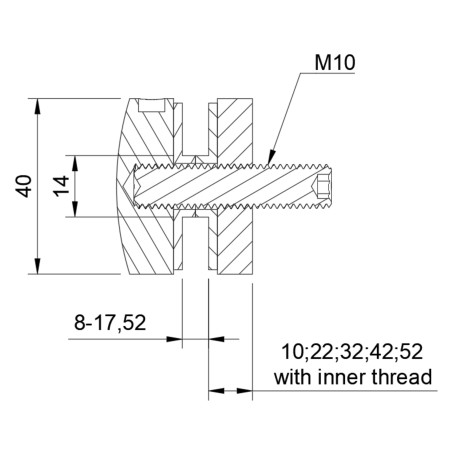
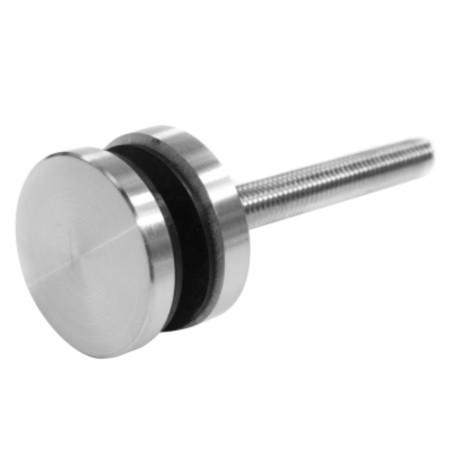
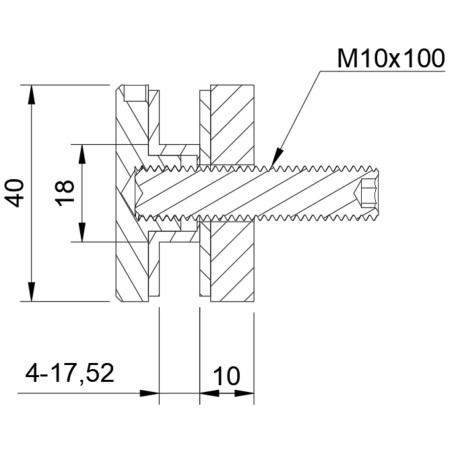
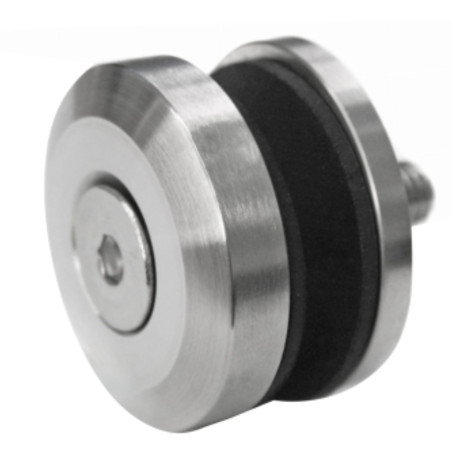
About Glass Adaptors
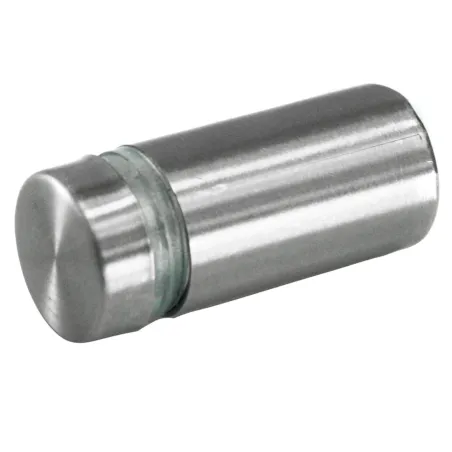
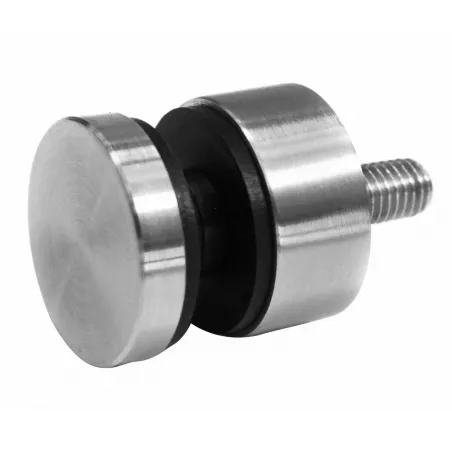
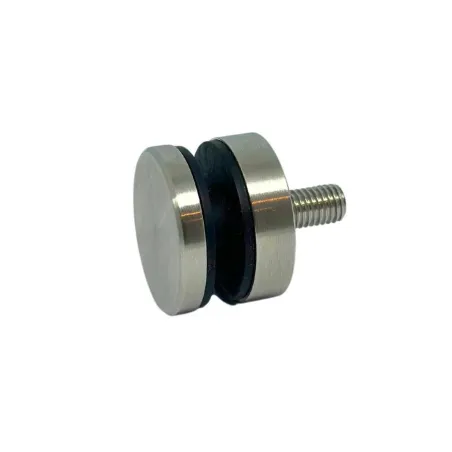
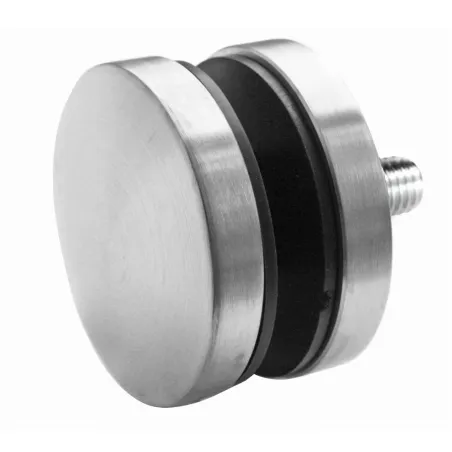
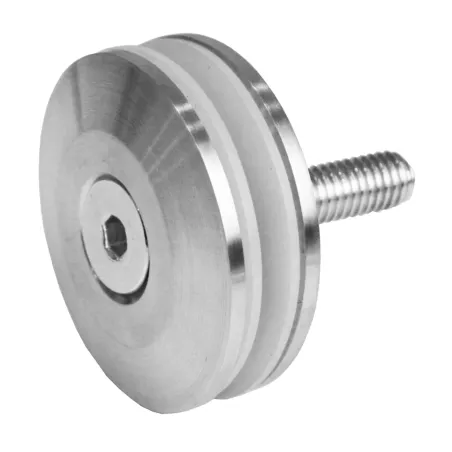
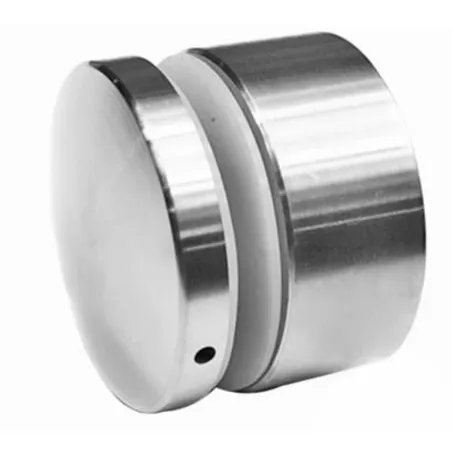
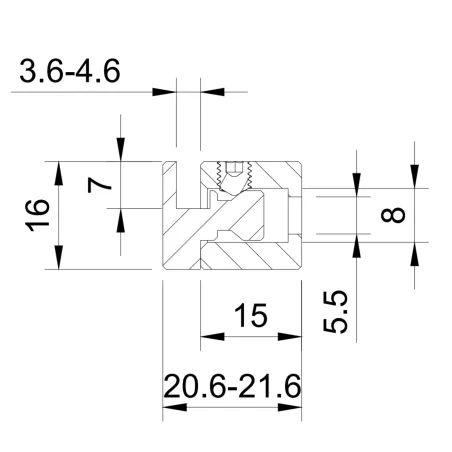
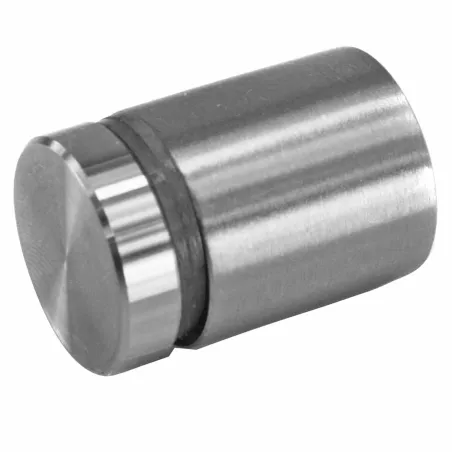
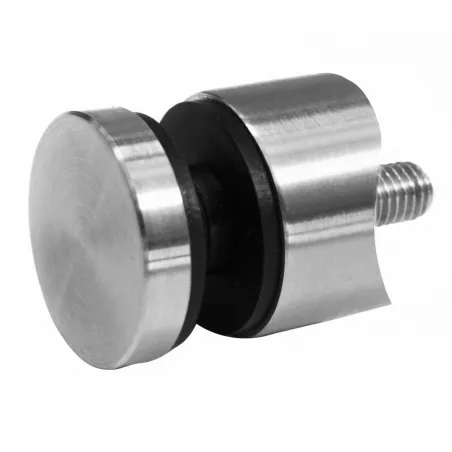
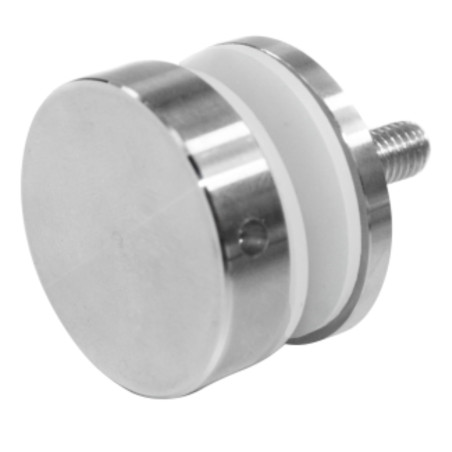
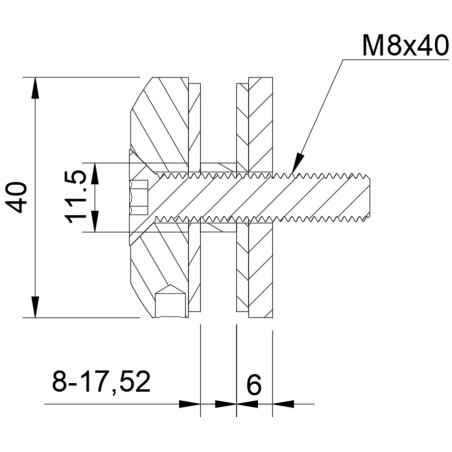
A glass adaptor is a stainless-steel point fixing that attaches a glass panel to a supporting structure through a drilled hole in the glass.
It transfers load from the panel to the substrate while keeping visible hardware to a minimum, leaving the glass as the main visual element in balustrades, façades, partitions, canopies, and shower enclosures.
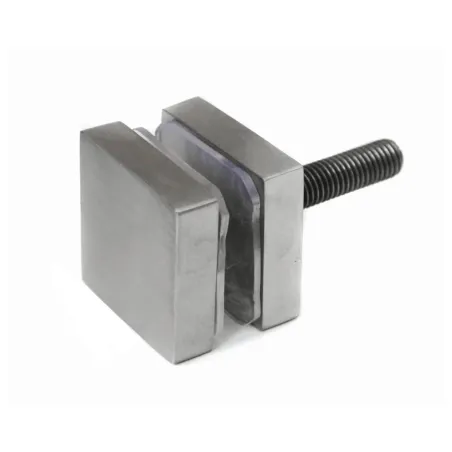
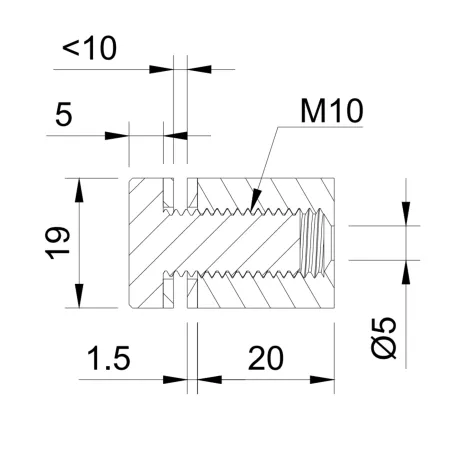
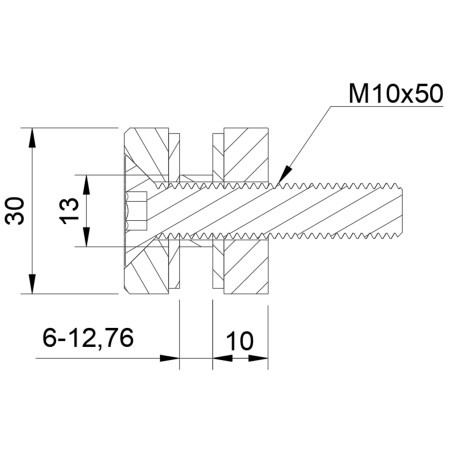
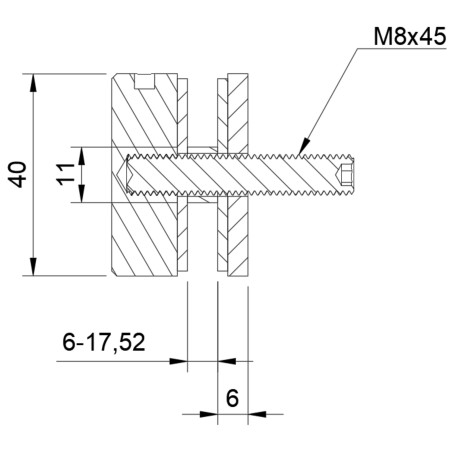
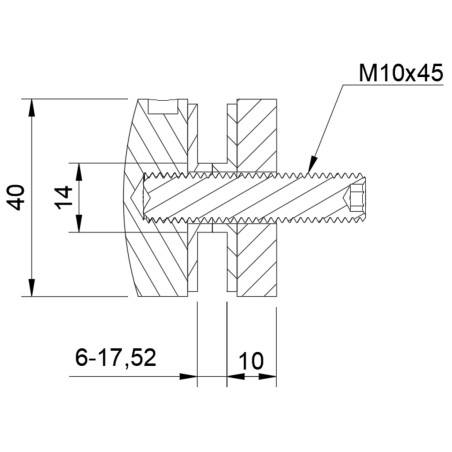
Strofix supplies round glass adaptors from Ø12 mm up to Ø70 mm (including D30, D38, D40, D50, D60 and D70) plus square 38×38 and 40×40 versions, in AISI 201, AISI 304 and AISI 316 stainless steel, with satin, polished or painted finishes and a broad range of spacer heights.
The right adaptor depends on glass thickness, wall-to-glass offset, environment and the type of supporting surface.
How to choose a glass adaptor
1. Adaptor diameter (Ø12–Ø70 mm)
Diameter determines how much contact area carries the load and how visually prominent the fixing is. D30 and D40 are the most common choices for residential balustrades and interior partitions; D50, D60 and D70 are used for larger panels, commercial façades and structural glazing. Mini adaptors (Ø12–Ø28) suit light decorative panels and signage. Square 38×38 and 40×40 variants are available where a squared-off aesthetic is preferred.
2. Wall-to-glass offset (spacer height)
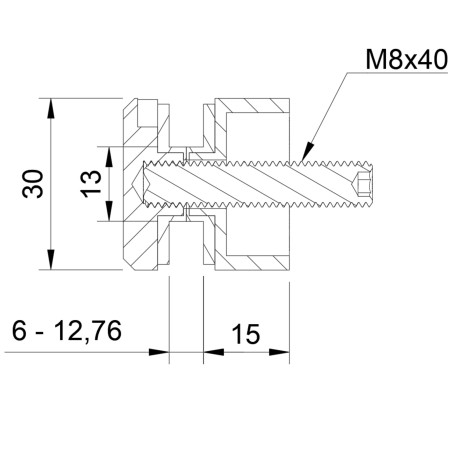
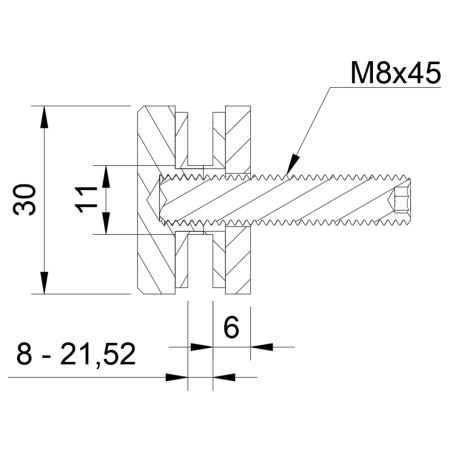
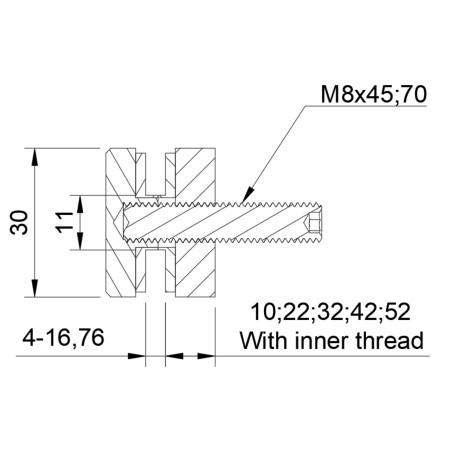
The spacer fixes the distance between the glass and the mounting surface. Choose a short spacer (under 15 mm) for flush installations, 20–32 mm for standard wall construction, and 42–60 mm where insulation, cladding or finish layers add thickness. Spacer height is set per variant and cannot be changed after installation – adjustable adaptors are available if you need to fine-tune alignment on site.
3. Steel grade: AISI 201, AISI 304 or AISI 316
AISI 304 is the standard grade for interior and most exterior installations. AISI 316 adds molybdenum for higher resistance to chlorides and salt air, and should be specified for coastal, pool and high-humidity environments. AISI 201 is a budget-friendly grade suitable for dry interior use.
4. Finish: satin, polished or painted
Satin hides fingerprints and micro-scratches and is the default for commercial and residential railings. Polished stainless gives a brighter, reflective look for contemporary interiors. Painted finishes (anthracite, matte black, white, gold, copper and others) are used to match joinery, window frames or architectural colour schemes. Finish is aesthetic and does not affect structural performance.
5. Mounting surface and configuration
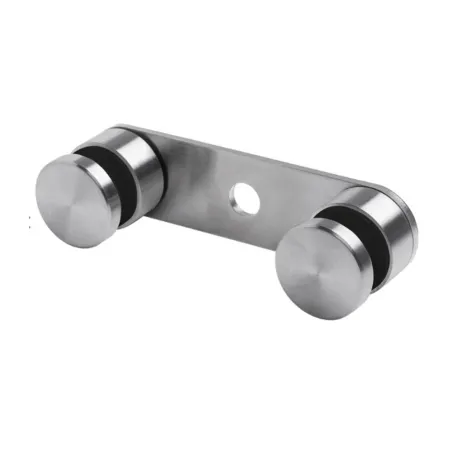
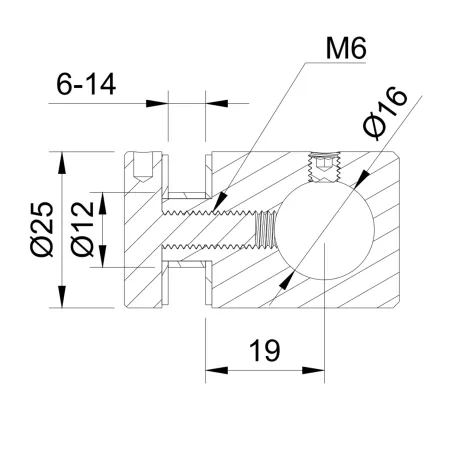
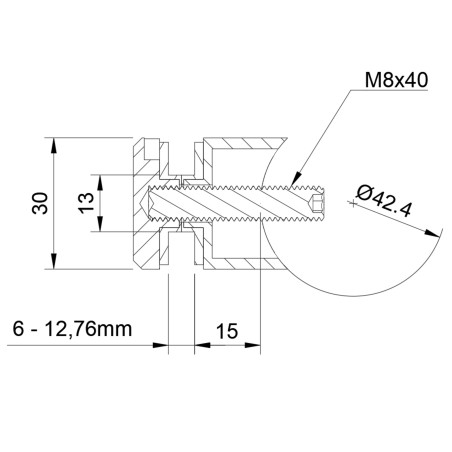
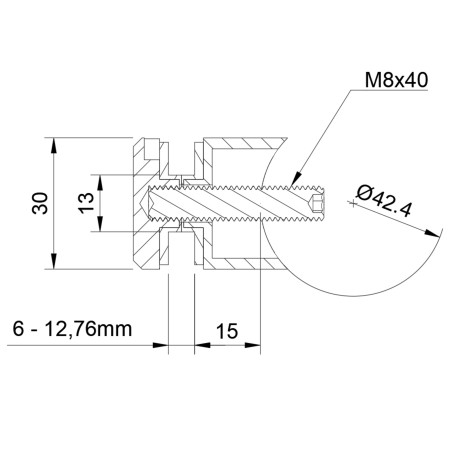
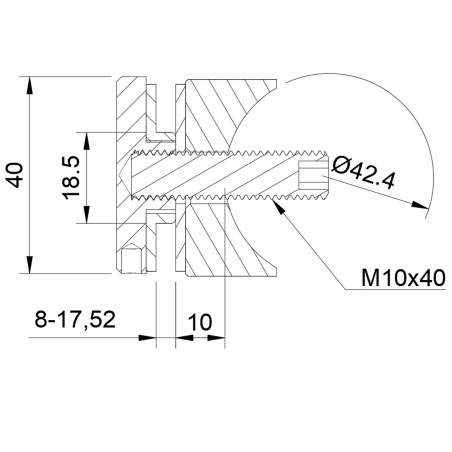
Most adaptors are designed for flat wall or floor mounting. Specific variants exist for tube mounting (Ø33.7 / Ø42.4), glass-to-glass 90° joints, glass-to-wall 90° joints, double-sided fixings and adjustable covers. Identify the supporting structure before selecting – the geometry of the adaptor base must match it.