About aluminium profiles for glass
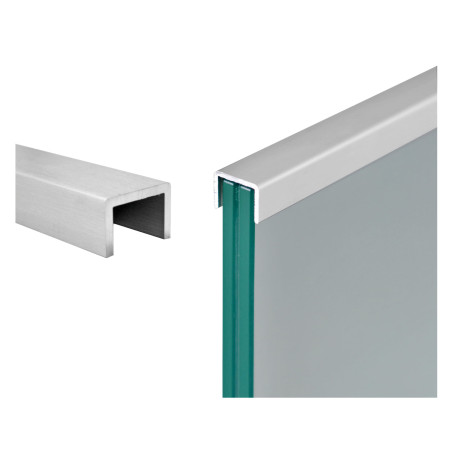
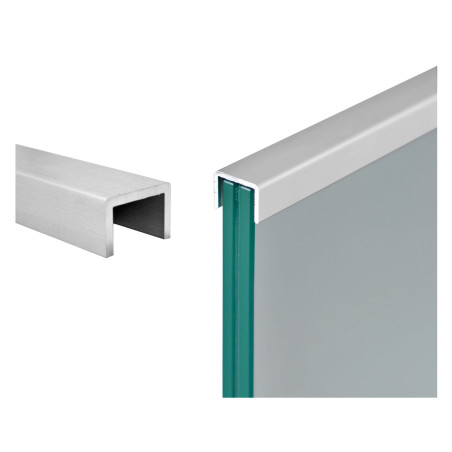
An aluminium profile for glass is an anodised aluminium element that seats on the edge of a glass panel as a capping.
Anodising creates a hard oxide layer that protects the aluminium against corrosion and gives a matt, steel-like appearance.
Compared with the stainless steel profile, the aluminium version is considerably lighter and cheaper, but also softer and more prone to scratching.
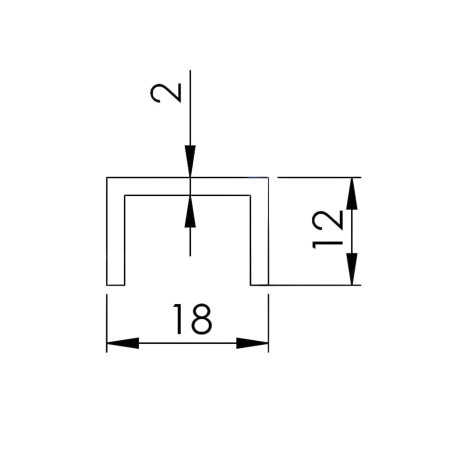
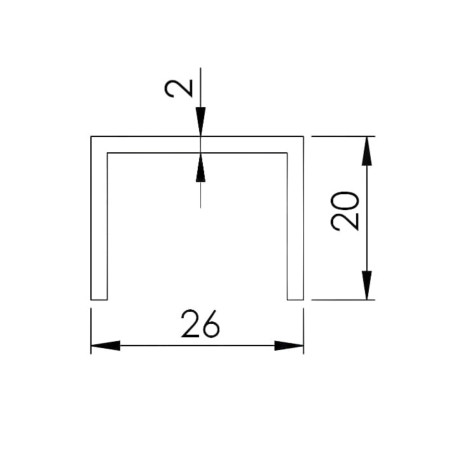
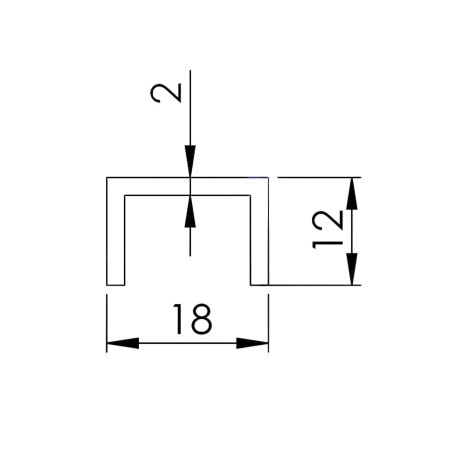
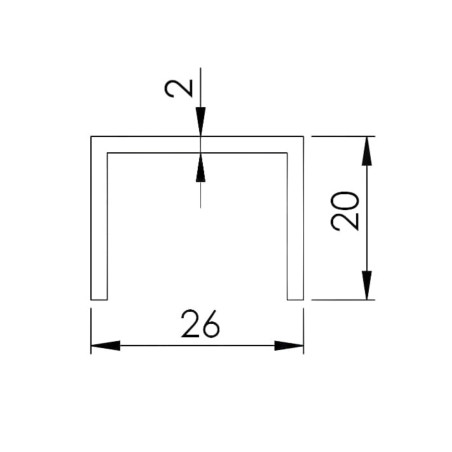
Strofix supplies profiles for 12.76 and 21.52 mm glass, plus separate corner elements for both thicknesses.
The choice depends on glass thickness, whether the layout has corners, and how much the profile will be touched.
How to choose an aluminium profile for glass
1. Glass thickness: 12.76 or 21.52 mm
The profile is made for a specific glass thickness rather than adapted with a gasket.
12.76 mm corresponds to laminated 66.2 glass; 21.52 mm is the thicker option, intended for larger panels.
2. Profile or corner element
The straight profile is the base element for the glass edge.
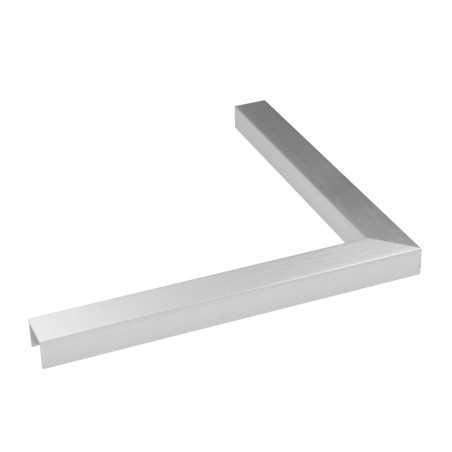
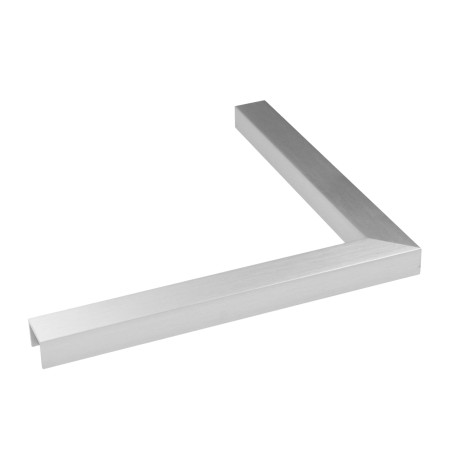
The corner element joins two profiles at an angle so no bare glass arris is left at the corner. It is available for both glass thicknesses.
3. Aluminium or stainless steel
Aluminium is lighter and cheaper – the logical choice for interior partitions and places where the profile is a visual capping rather than a load-bearing element.
Stainless steel is stiffer and more resistant to scratching and outdoor exposure. Where the profile is touched daily, or where there is salt and moisture, choose steel.
4. Caring for the anodised layer
Clean anodised surfaces with a soft cloth and a neutral cleaner.
Abrasives and acidic or strongly alkaline cleaners damage the anodised layer permanently – underneath it, the aluminium is no longer protected.
Outdoors, also avoid prolonged contact with cement dust and mortar residue; both are strongly alkaline and leave permanent staining.
5. Contact with other metals
Aluminium and stainless steel in direct contact in a wet environment form a galvanic couple, and corrosion starts on the aluminium side.
Where the profile is bolted to a stainless steel structure, use a nylon washer or spacer to separate the two metals.