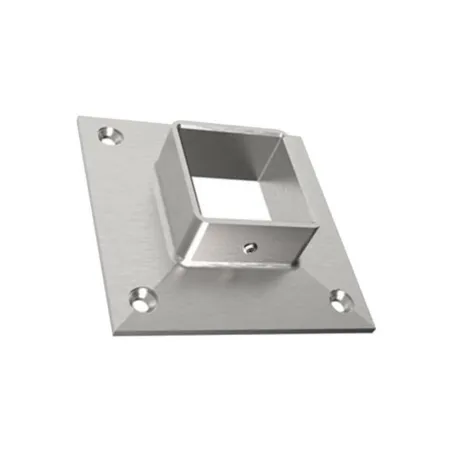
About slot handrail elements
Handrail elements are the parts that turn a straight handrail profile into a finished balustrade line – they close the ends, join the runs, fix the handrail to a wall and change its direction.
In practice it is the absence of these parts, rather than of the handrail itself, that most often stops an installation on site.
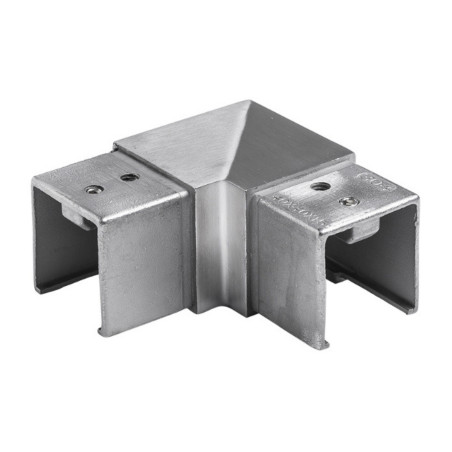
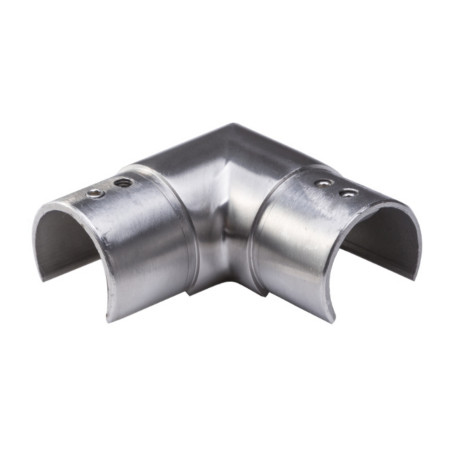
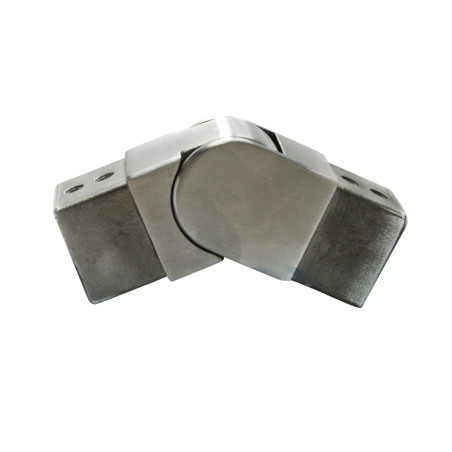
The Strofix range has six types: end caps, straight connectors, wall fastenings, horizontal 90° elbows, vertical 90° elbows and adjustable elbows.
Each type is available for both handrail profiles – Ø42.4 mm round and 40x40 mm square.
The choice starts with the handrail profile; after that, pick elements from how the line actually runs – where it ends, where it turns and where it meets a wall.
How to choose handrail elements
1. Handrail profile first: Ø42.4 mm or 40x40 mm
Every element is profiled for a specific handrail. Round and square elements are not interchangeable.
Check the profile before ordering – in a list the two series look alike, but they will not fit on site.
2. End caps and connectors
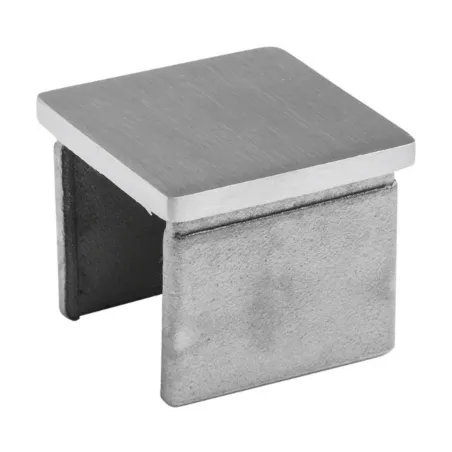
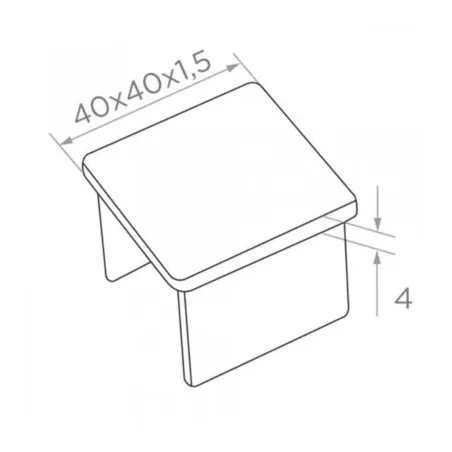
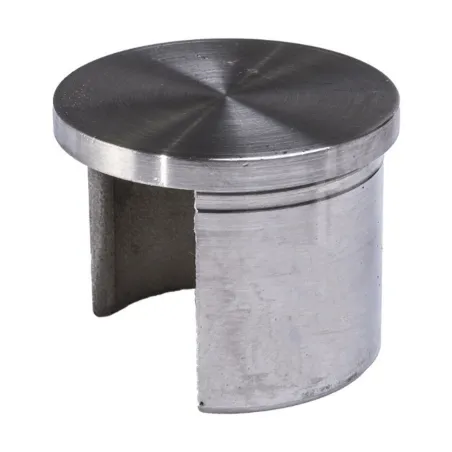
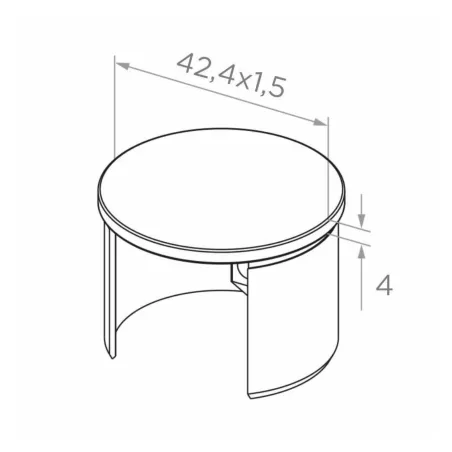
An end cap closes the handrail end and removes a sharp edge at hand height. You need one for every free end.
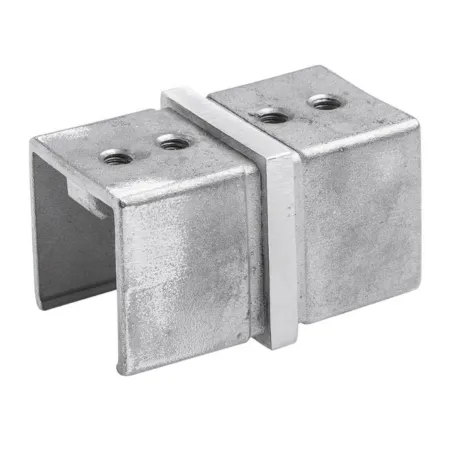
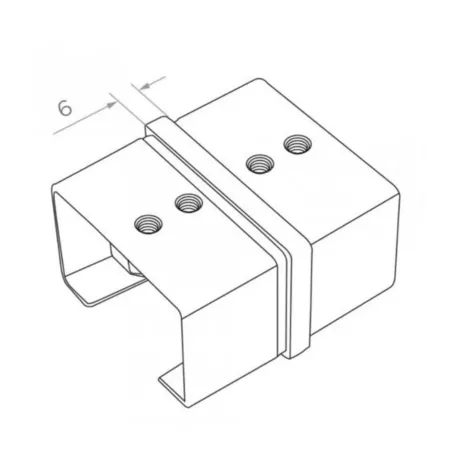
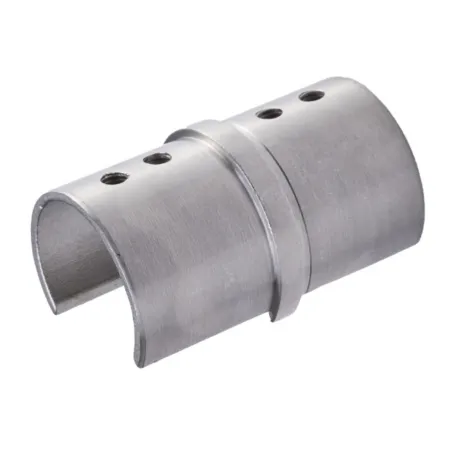
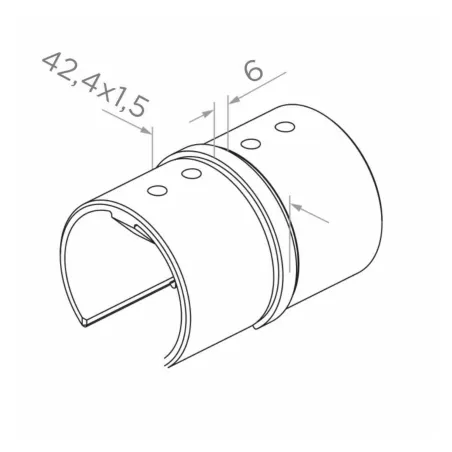
The straight 180° connector joins two handrails in line without a step. You need one wherever a run is longer than a single handrail.
3. Elbows: horizontal, vertical or adjustable
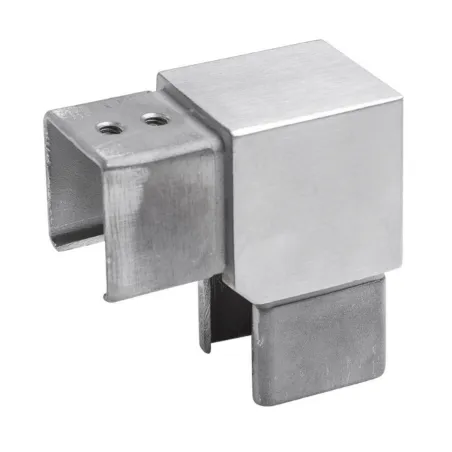
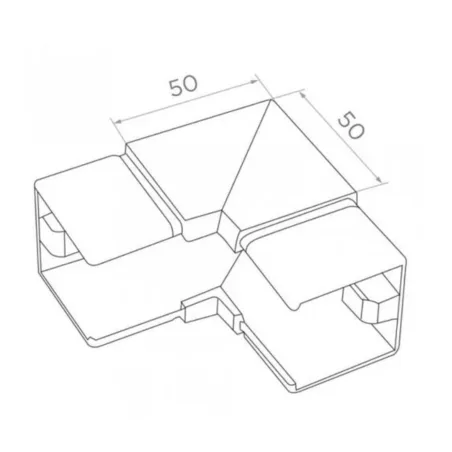
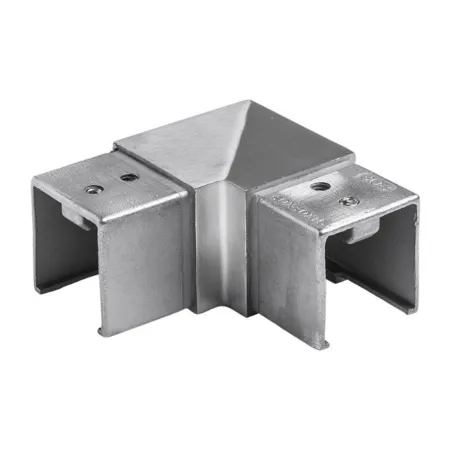
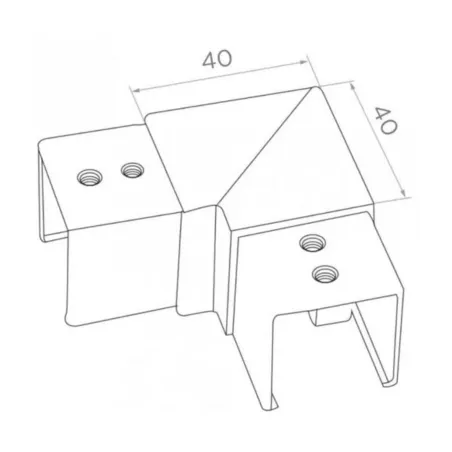
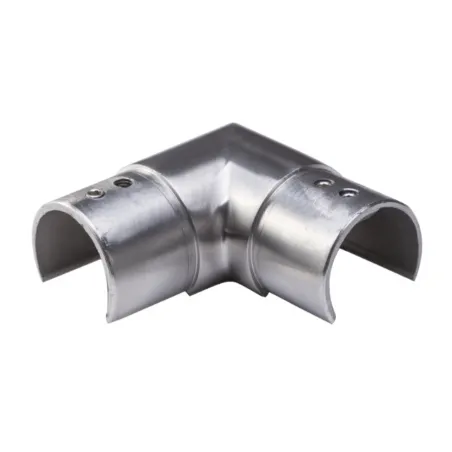
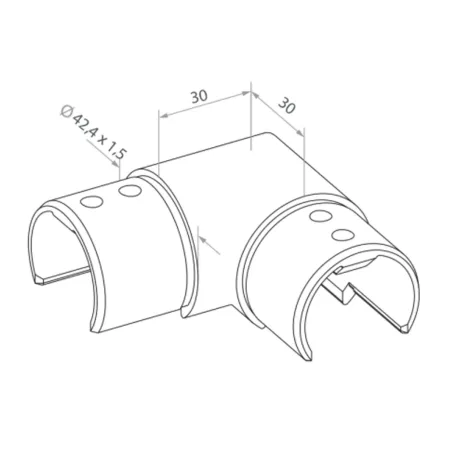
The horizontal 90° elbow turns the handrail in plan – at a terrace corner or a balcony return.
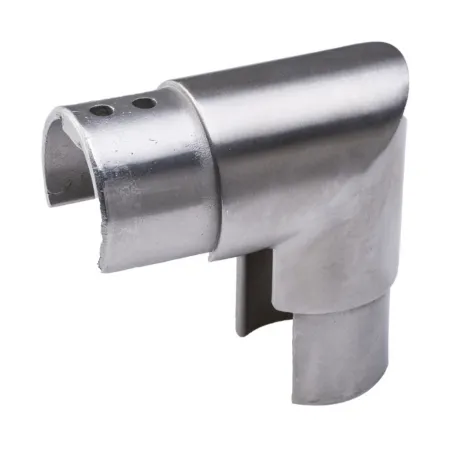
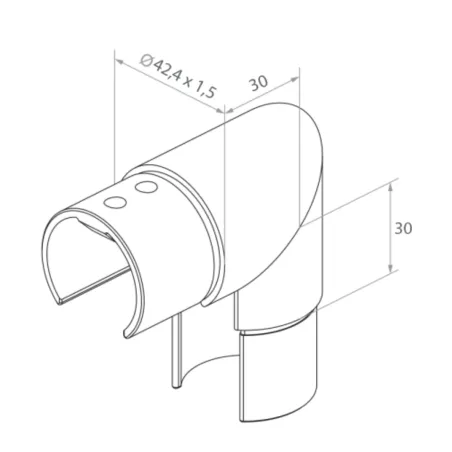
The vertical 90° elbow turns the handrail in elevation – where the line rises or drops.
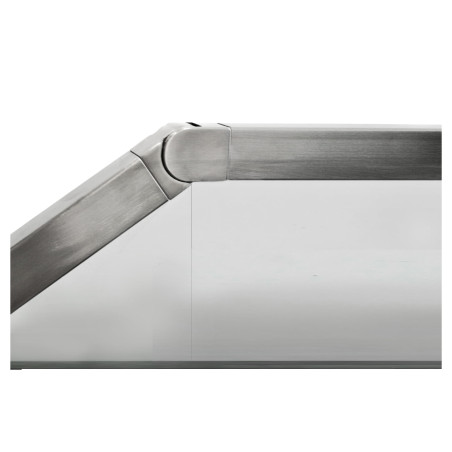
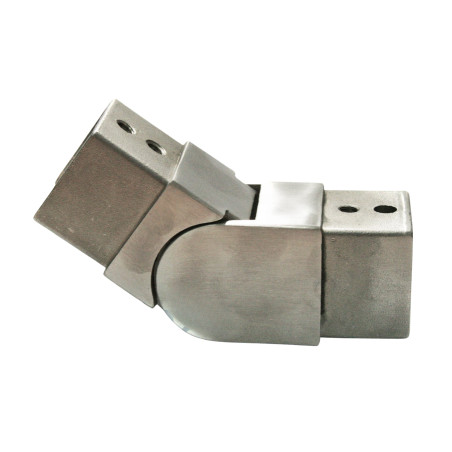
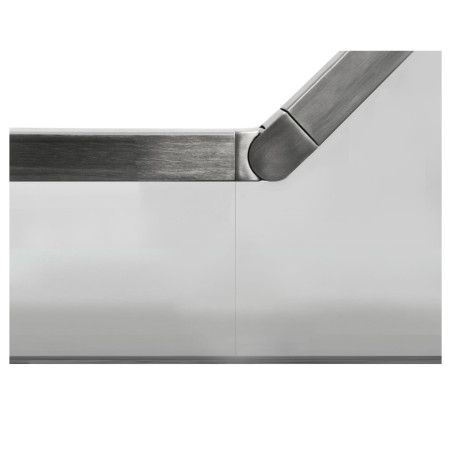
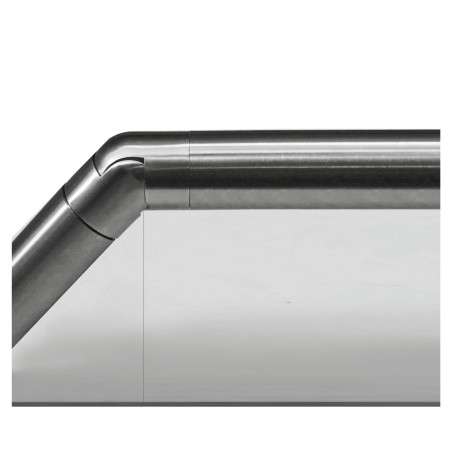
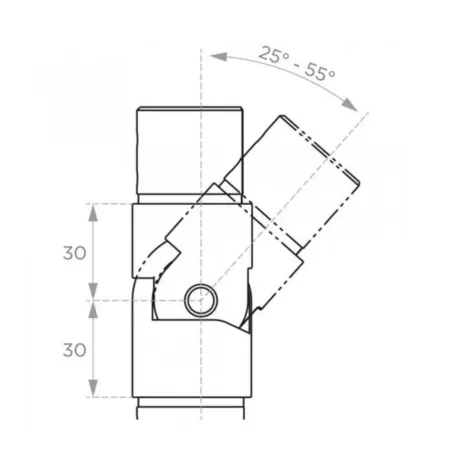
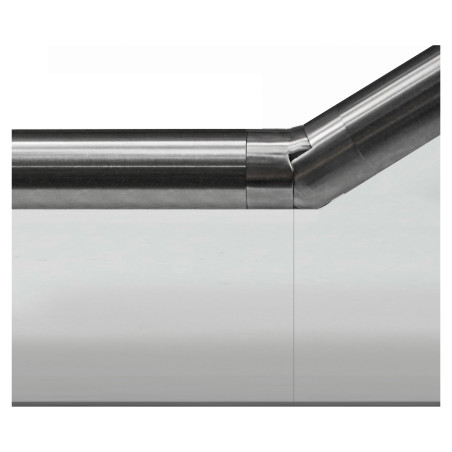
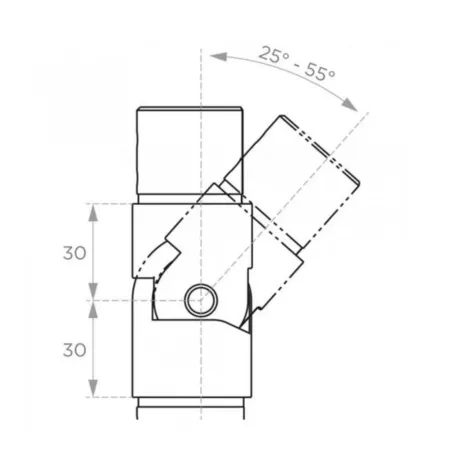
The adjustable elbow is for stairs, where the angle is not a round number. It comes in two versions, upper and bottom; a stair flight normally needs both.
4. Wall fastening
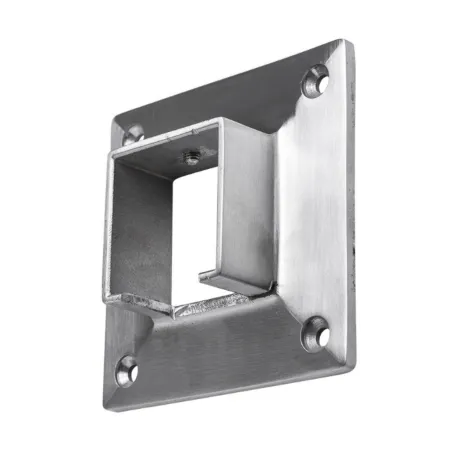
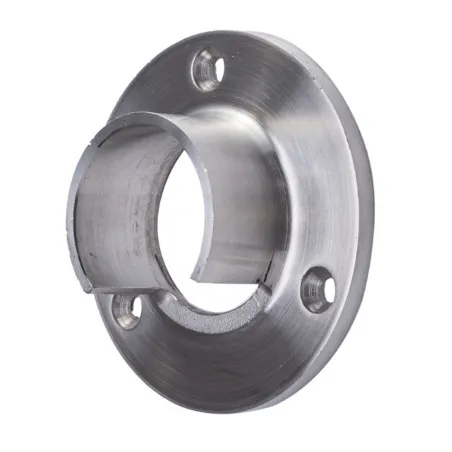
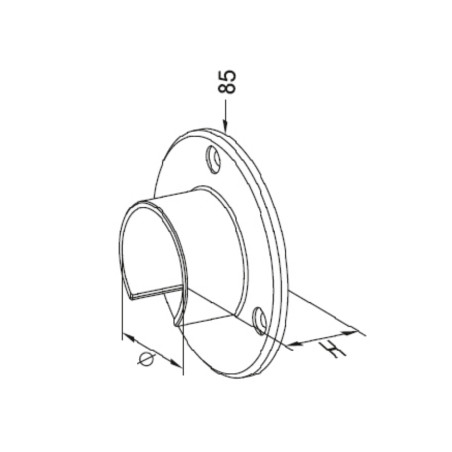
The axial handrail fastening fixes the handrail end to a wall along its axis, rather than from the side.
Use it where the balustrade line ends at a wall and the handrail must not be left free.
5. A checklist before ordering
Walk the line from one end to the other and count: how many free ends, how many joints, how many turns in plan, how many in elevation, how many wall connections.
Do not forget the gasket for your glass thickness – it is a separate product, and the handrail cannot be installed without it.