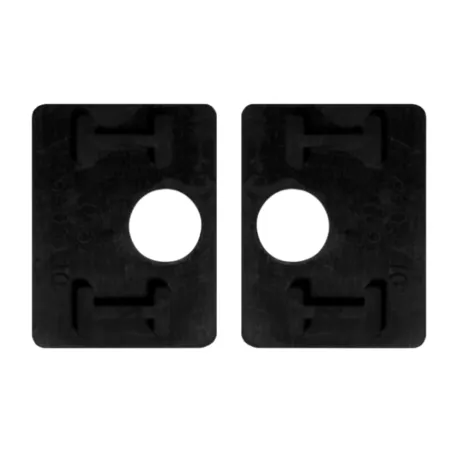
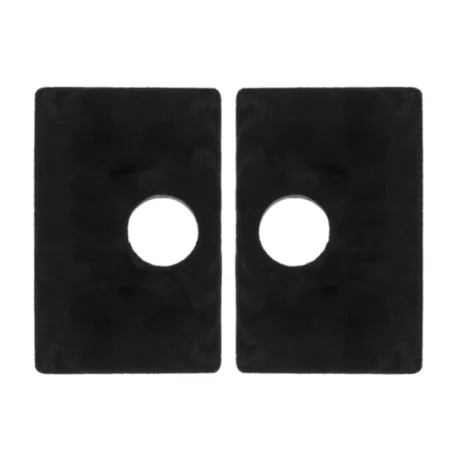
About Rubbers for Glass Clamps
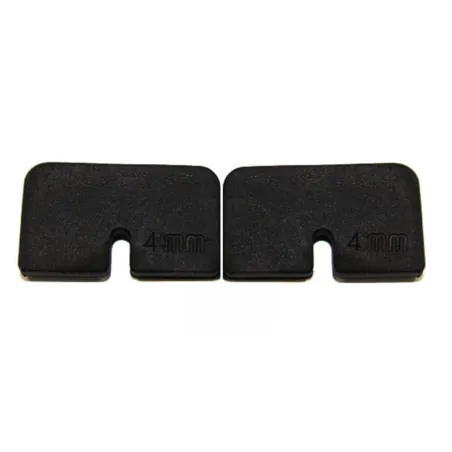
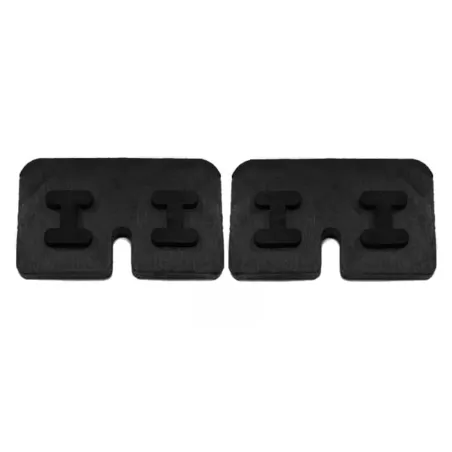
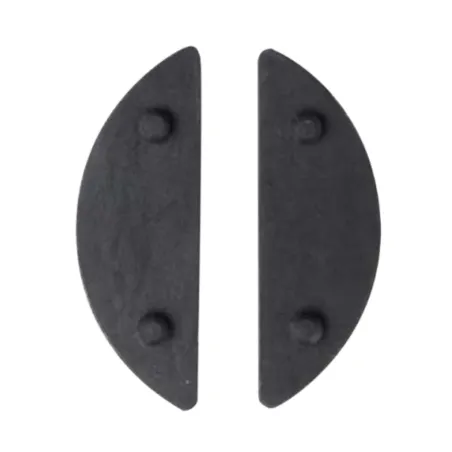
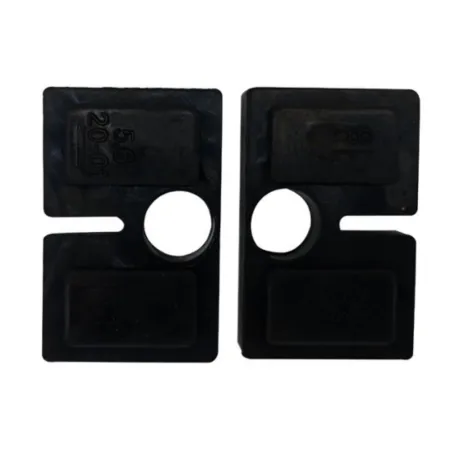
A rubber inlay for a glass clamp is a replaceable insert that sits between the metal clamp body and the glass panel, cushioning the clamping pressure, preventing direct steel-to-glass contact and compensating for the specific panel thickness.
Each rubber pair is shaped to match a particular Strofix clamp model, ensuring a snug fit inside the clamp channel.
Strofix supplies rubber inlays for ten clamp models — Mini, A, B, C, D, E, F, G, H and I — with thickness options covering single-pane glass at 4, 6, 8, 10 and 12 mm and laminated glass at 12.76 mm (66.2) and 16.76 mm (88.2).
Rubbers are sold individually so that an existing clamp can be reconfigured for a different glass thickness or worn inserts can be replaced without changing the clamp body itself.
How to choose a rubber inlay for a glass clamp
1. Clamp model (Mini / A / B / C / D / E / F / G / H / I)
Each rubber inlay is shaped to fit one specific Strofix clamp model.
The model letter is printed on the clamp body or listed on the product page of the clamp you purchased.
A rubber from one model will not fit a different model — always match the letter code exactly.
2. Glass thickness (4–16.76 mm)
Within each model, rubber inlays are available in multiple thickness options.
Standard single-pane rubbers cover 4, 6, 8, 10 and 12 mm glass.
Laminated-glass rubbers are available in 12.76 mm (66.2) and 16.76 mm (88.2) for selected models.
Measure the actual glass panel thickness — including all laminated layers — and select the rubber that matches it precisely.
An incorrectly sized rubber will not distribute clamping pressure evenly.
3. Replacement or reconfiguration
Rubber inlays are consumable components that may wear, harden or compress over time, especially in exterior installations exposed to UV and temperature cycling.
Order replacement rubbers when the existing inserts no longer grip the glass firmly.
The same rubber category is also used to reconfigure an existing clamp for a different glass thickness — for example, when upgrading from 8 mm toughened to 12.76 mm laminated glass.