Learn how to choose the right railing system for your balcony, terrace, or stairs! This article explains the main...

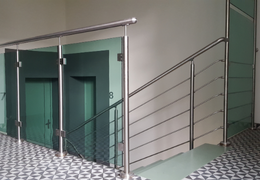
Learn how to choose the right railing system for your balcony, terrace, or stairs! This article explains the main...
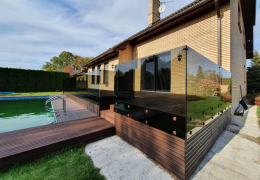
Glass adaptors are essential elements in glass construction, consisting of several components – the head, rubber...
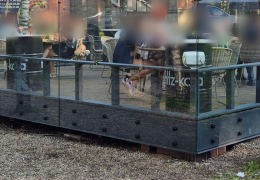
Glass staircases, balconies, loggias, and terrace railings, equipped with glass adaptors, are a hallmark of modern...
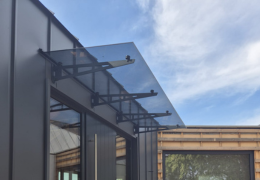
Your home or office entrance is more than just a door! It's the boundary between the outside world and the sanctuary...
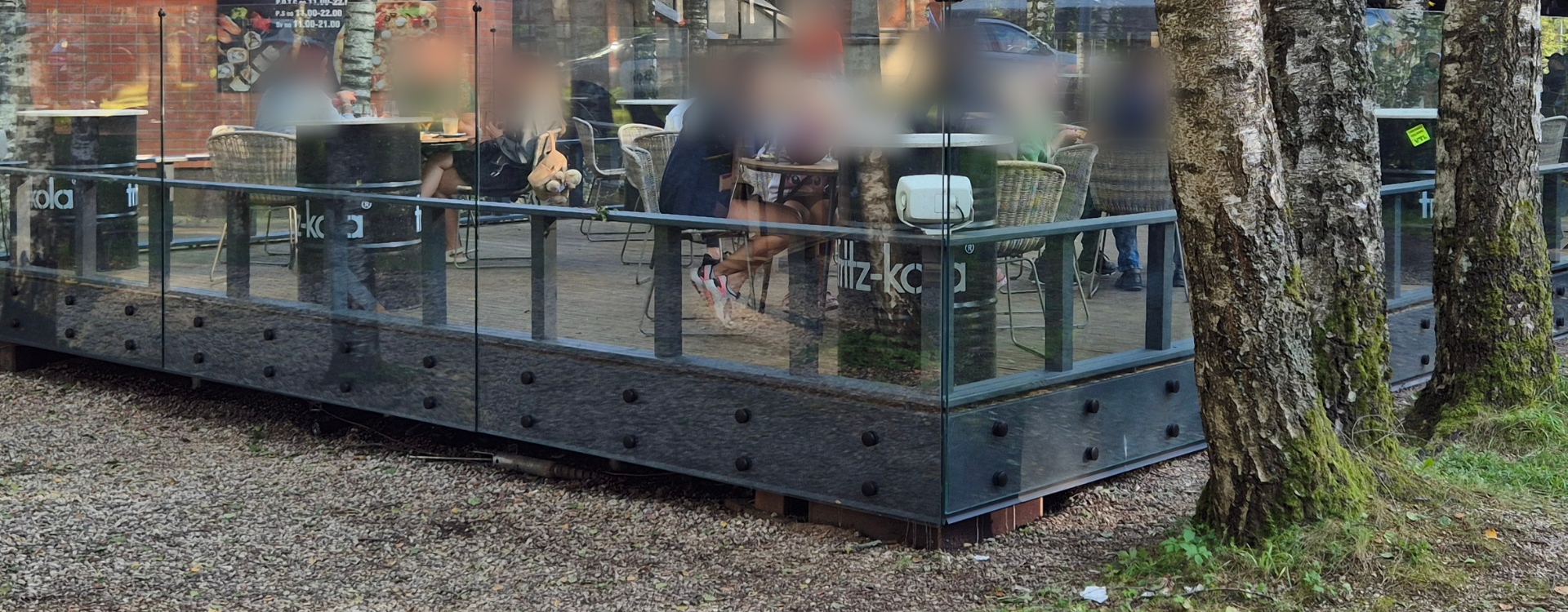
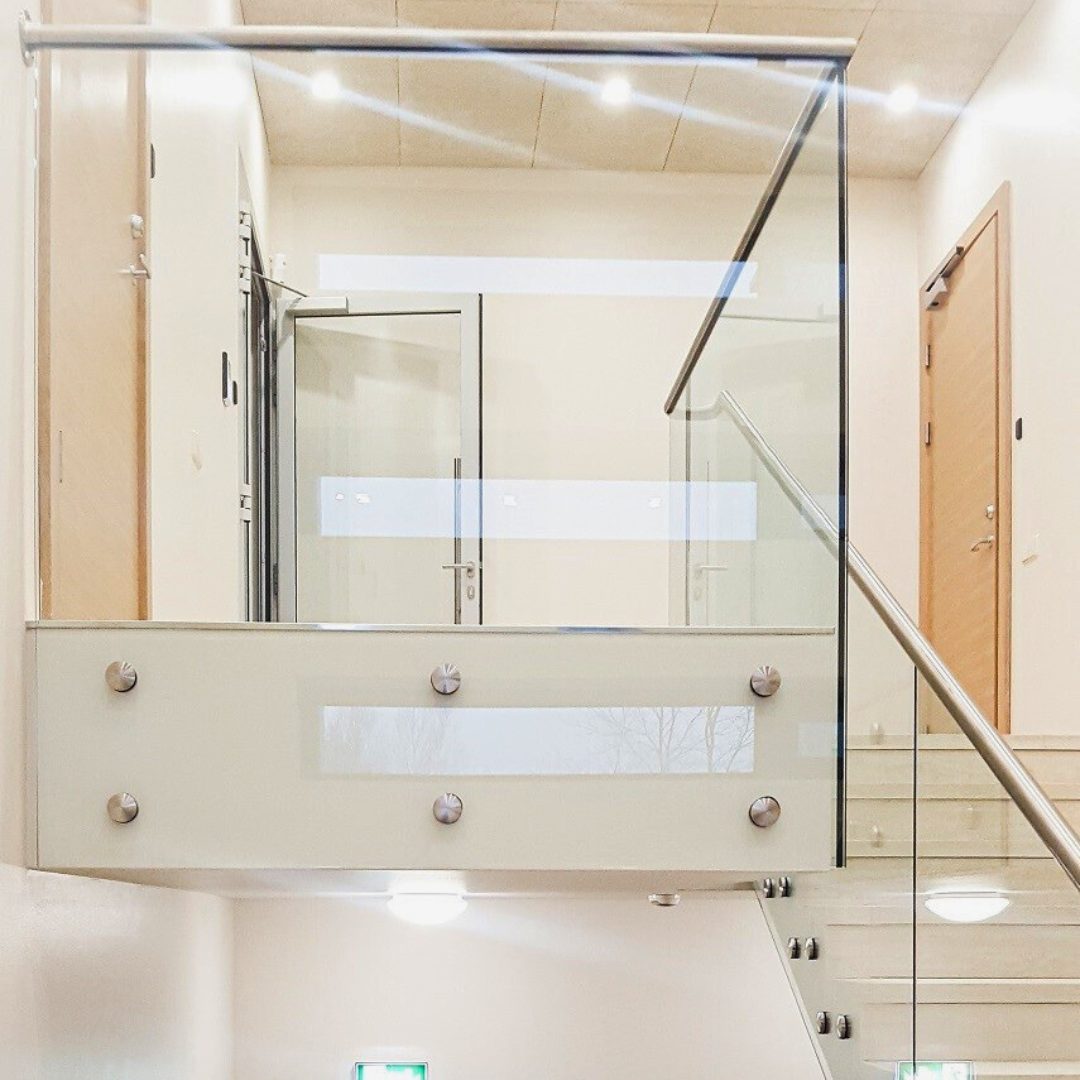
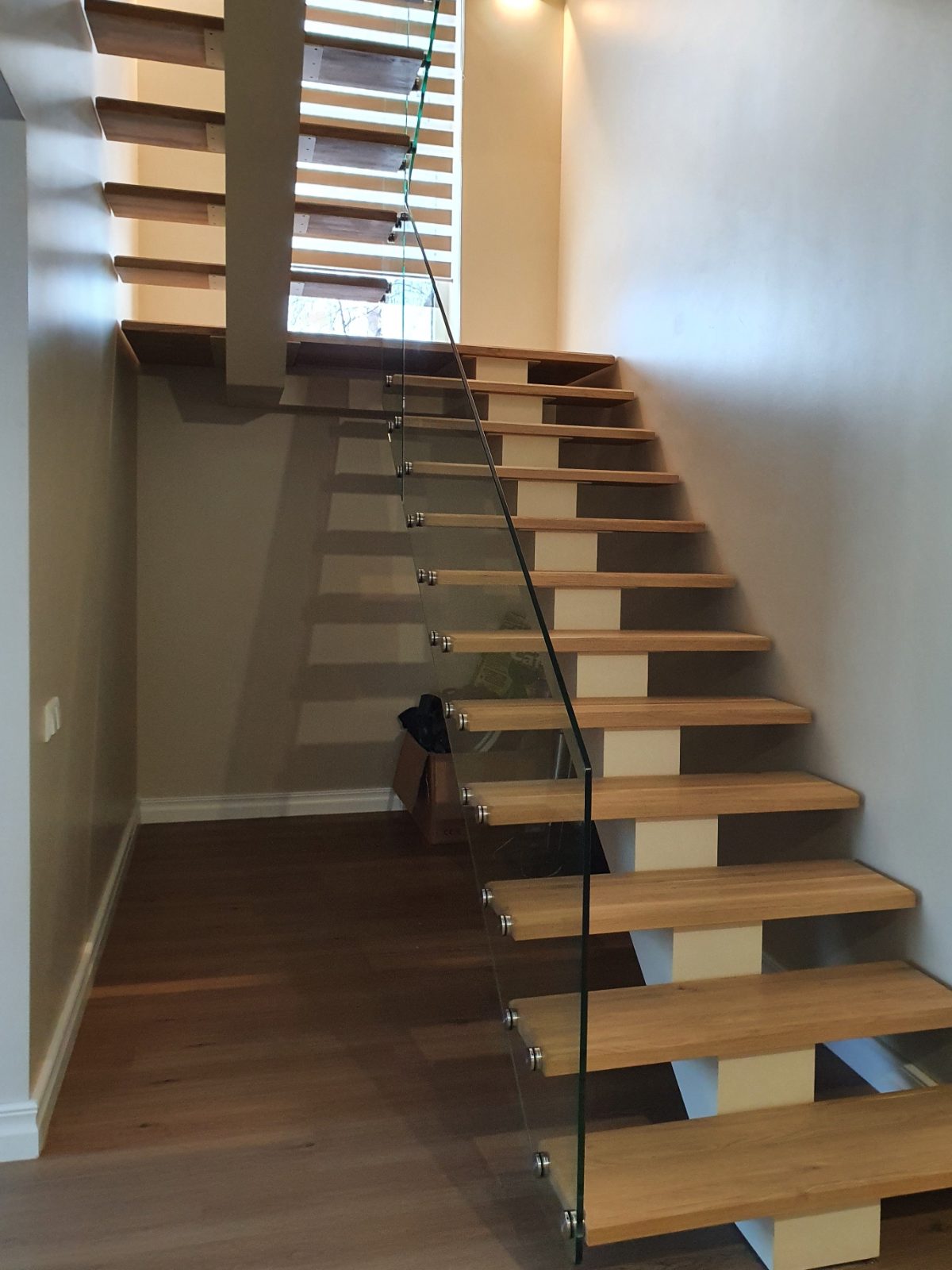
Glass staircases, balconies, loggias, and terrace railings, equipped with glass adaptors, are a hallmark of modern and contemporary interior design. Toughened glass railings, bolstered by glass adaptors, offer a blend of functionality, safety, and aesthetic appeal. They enhance the architectural features of a space without obscuring or overshadowing, but rather by illuminating and visually opening up the area.
Incorporating glass adaptors, these railings can be attached to the supporting structure either with frames or posts, or as frameless, full-glass constructions. However, frames can often be too cumbersome and suppress the visual impact of the glass adaptors. Consequently, frameless constructions with glass adaptors are gaining popularity. These adaptors serve as minimal supporting elements, maximizing the benefits of glass in terms of transparency and aesthetic appeal.
The use of glass adaptors in private and public building designs, especially those made of stainless steel, is becoming increasingly popular. These glass adaptors are not only aesthetically pleasing but also offer sufficient load-bearing capacity and safety.
Glass adaptors typically consist of a spacer with a cylindrical
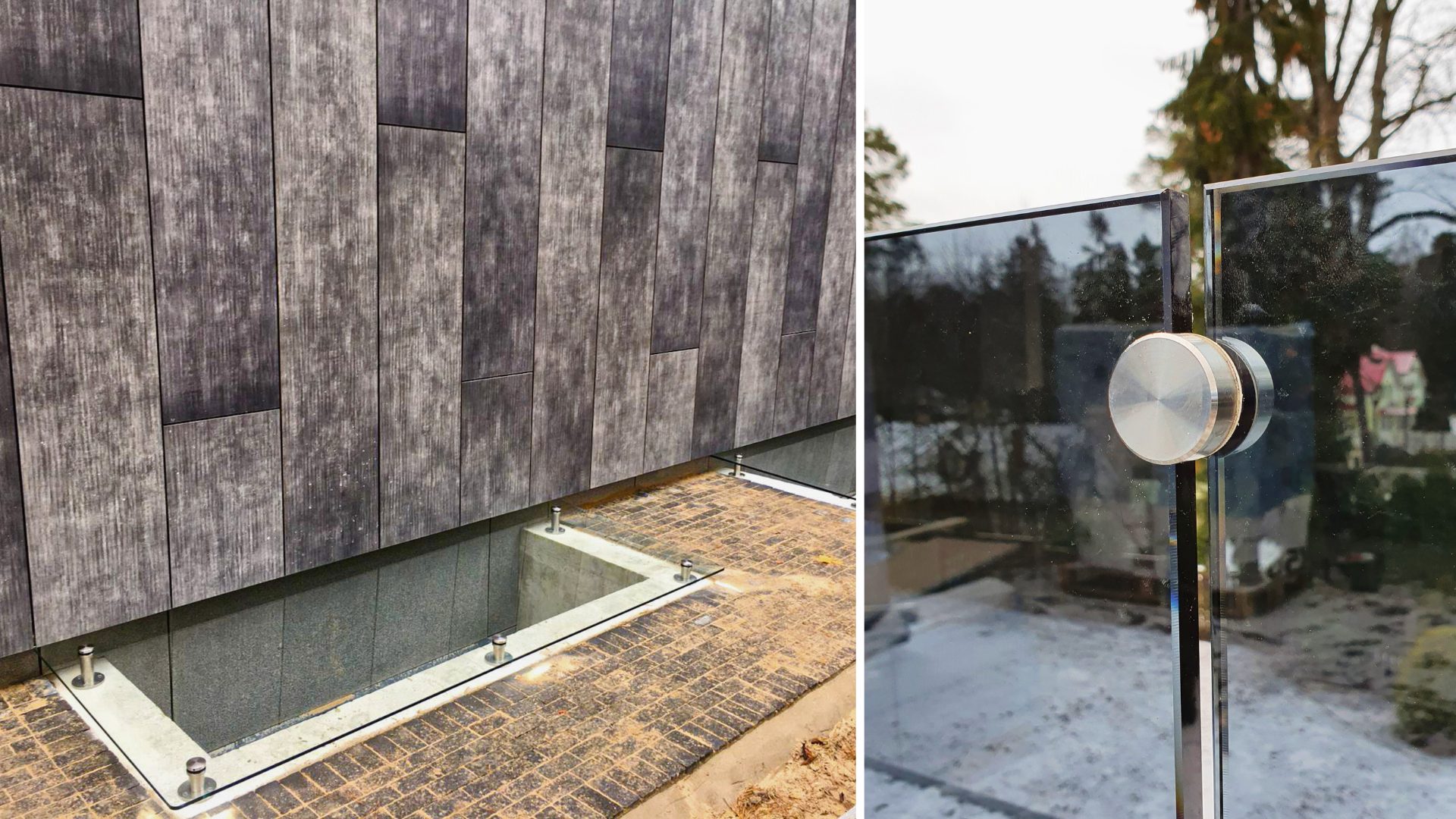
or conical top head that sits flush with the glass surface.
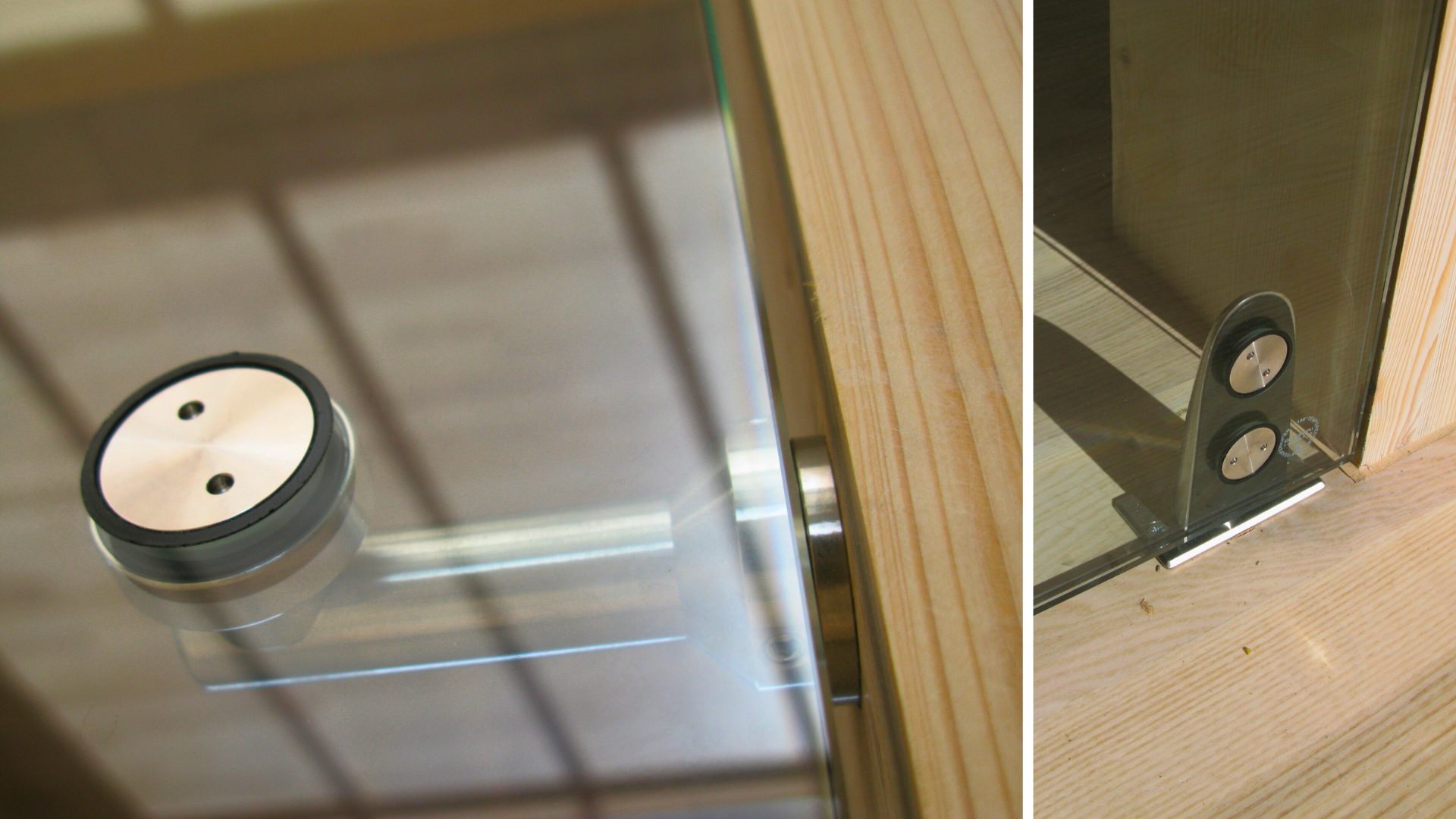
They connect the glass to the supporting structure and can be either fixed or adjustable in length. Available in various diameters, glass adaptors in construction are commonly used starting from 30 mm in diameter.
Glass adaptors find their application in:
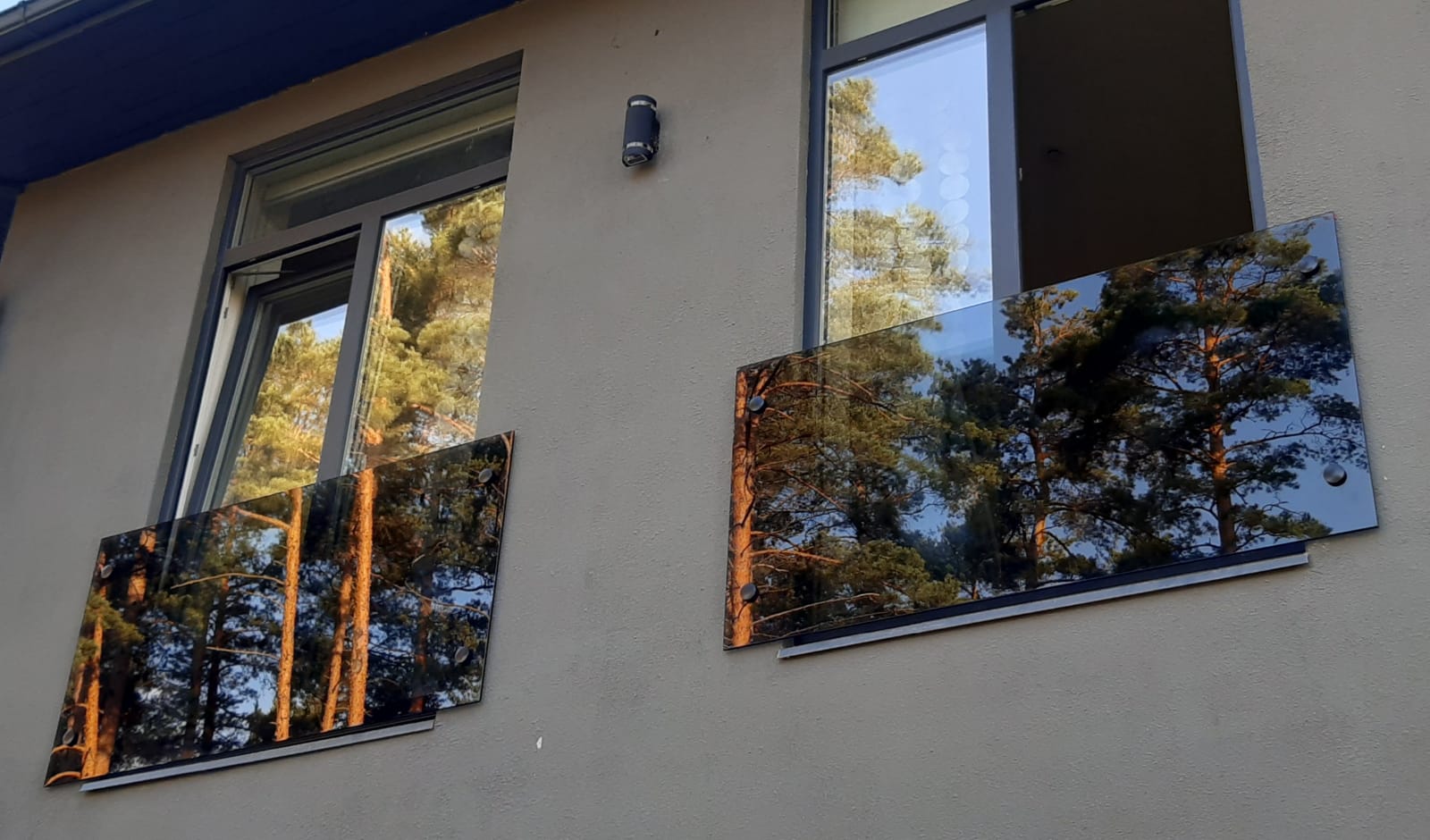
For facade glazing, glass adaptors are often utilized in the "spider" system, ideal for creating fully glazed frameless facades. This principle can also be applied in glass railings for French balconies and French style balconies, where the glass is attached to railing posts with individual or double glass adaptors.
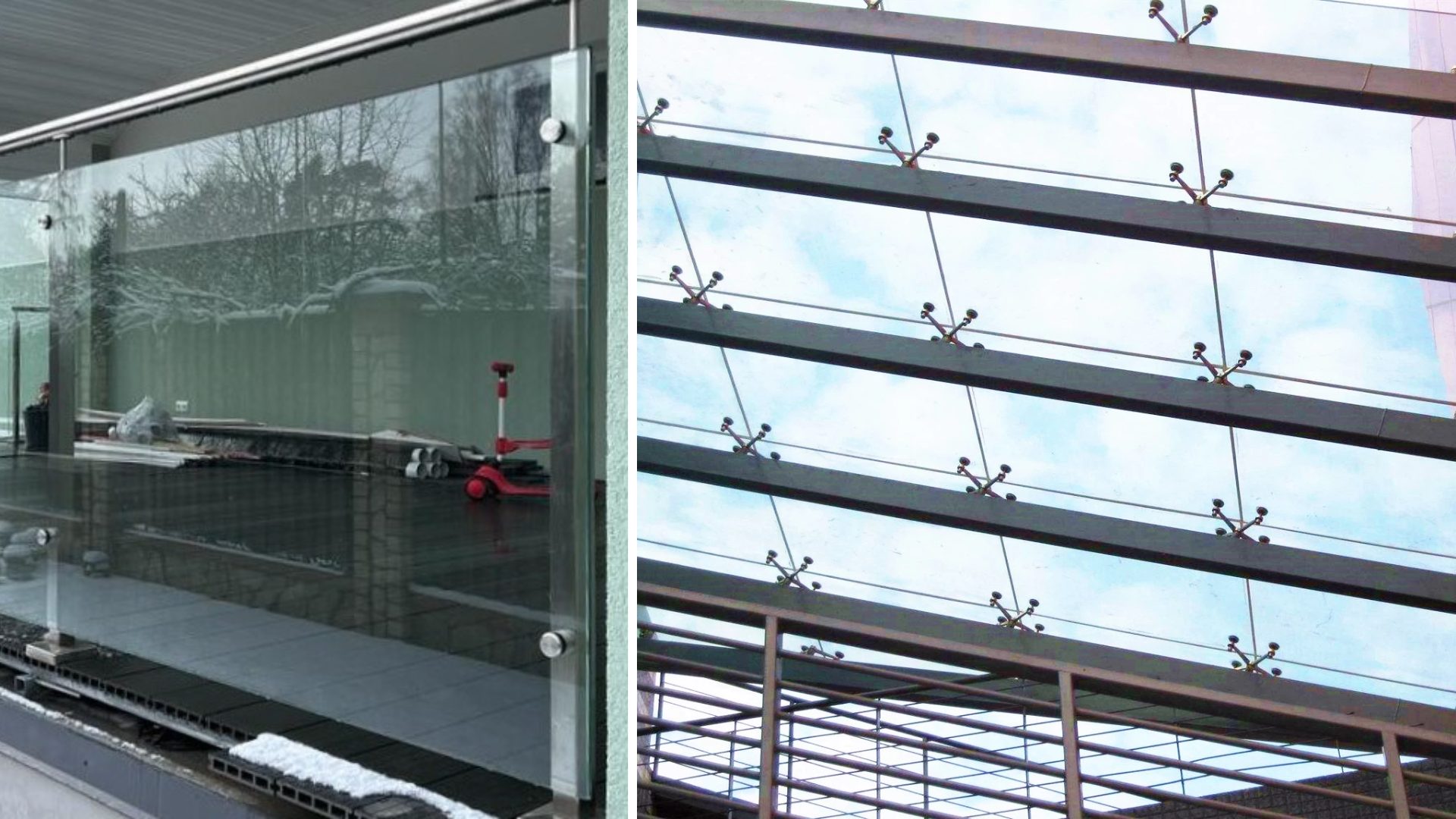
The application of glass adaptors in sliding and swinging glass doors ensures functionality, while their use in glass balconies, loggias, and stair railings with a modern French balcony design helps dissolve the boundaries in both interior and exterior design.
Full-height windows are becoming increasingly popular in modern architecture, particularly in French-style and modern French balconies that start from the floor. Safety barriers are essential, especially on higher floors. The glass adaptors used in these settings are available in various colors, with black, white, gray, brown, and gold being the most popular. Additionally, these adaptors can be custom-made in different colors to match specific design needs, such as coordinating with the color of the window frames. View the Product
Every point fixing is made for a specific glass thickness, and each product page states which ones it fits. The catalogue covers 15 thickness values:
1.50 · 2 · 3 · 4 · 6 · 8 · 8.76 · 10 · 10.76 · 12 · 12.76 (66.2) · 13.52 · 16.76 (88.2) · 17.52 and 21.52 mm.
For laminated glass the code describes the build-up, not the total thickness. 66.2 means two 6 mm panes with two interlayers, 12.76 mm in total; 88.2 is two 8 mm panes, 16.76 mm in total.
The grade decides how long the fixing keeps looking good in its environment. The catalogue covers three grades, and the available one is shown on each product page.
Three surface finishes are available: polished, Satin and raw.
A French balcony is glass fixed to the facade without a walk-out platform. It protects an open door or window without adding floor area, which is why it is often chosen when there is no room for a real balcony but the doors run to the floor.
For it the catalogue has D30 and D50 point fixings with 16 mm and 20 mm anchor rods, as well as glass adaptors with 20 mm anchor rods. The rod length is what decides how much insulation can be spanned, so it is chosen from the facade build-up, not from the glass.
| Application | What to keep in mind |
|---|---|
| Facade glazing | Spider system; the glass is held at points, not in a frame |
| Sliding and swinging glass doors | Function and looks in one connection |
| Full-height windows | Glass from floor level; the fixing must not block the view |
| Glass railings | Glass fixed to railing posts without a frame |
| French balconies | D30 and D50 with 16 or 20 mm anchor rods |
It consists of a head, a rubber gasket, a spacer and a screw. The head can be cylindrical or conical and sits flush with the glass surface. The spacer connects the glass to the supporting structure, and its length can be fixed or adjustable.
The catalogue covers 15 thickness values from 1.50 to 21.52 mm, and each product page states which ones it fits. For laminated glass the code describes the build-up: 66.2 means two 6 mm panes, 12.76 mm in total.
A French balcony is glass fixed to the facade without a walk-out platform. For it the catalogue has D30 and D50 point fixings with 16 mm and 20 mm anchor rods. The rod length decides how much insulation can be spanned.
AISI 201 suits dry indoor use, AISI 304 general use, and AISI 316 outdoor, humid and coastal environments. For facades and anything outdoors, choose AISI 316.
Glass adaptors are an elegant, straightforward solution with extensive benefits, perfectly realizing the aesthetic potential of glass railings, balconies, and facades. Regardless of the underlying material – be it wood, concrete, or metal – glass with glass adaptors integrates seamlessly everywhere.
Last updated: 2026-08-17 · Juris Rubenis, Strofix
 Glass Adaptors: Versatility and Applications