Learn how to choose the right railing system for your balcony, terrace, or stairs! This article explains the main...

Menu
Learn how to choose the right railing system for your balcony, terrace, or stairs! This article explains the main...
Glass adaptors are essential elements in glass construction, consisting of several components – the head, rubber...
Glass staircases, balconies, loggias, and terrace railings, equipped with glass adaptors, are a hallmark of modern...
Your home or office entrance is more than just a door! It's the boundary between the outside world and the sanctuary...
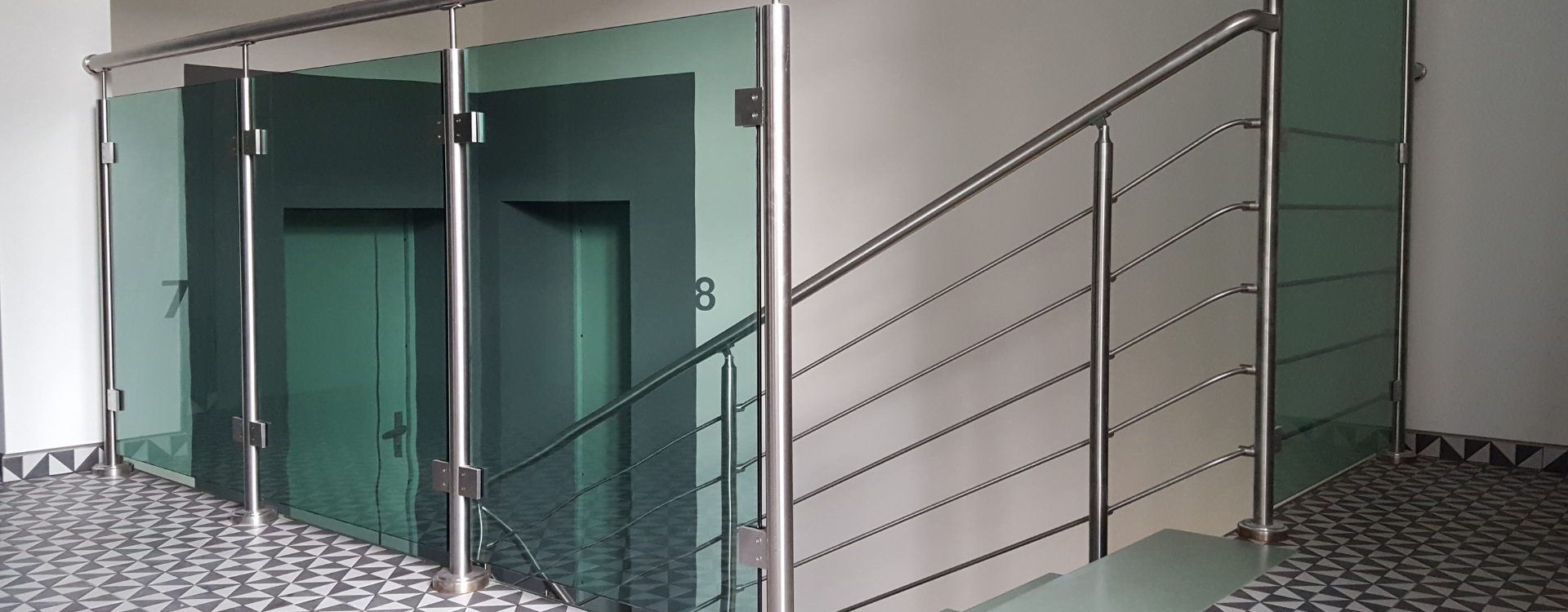
Railings are much more than just a safety feature – they’re also a key architectural element that defines a building’s character and ensures safe everyday use.
In this article, we’ll explore the main types of railings, their advantages, and which solutions best fit different applications.
A railing is a structural safety element that provides support and protection, helping to prevent falls and maintain balance.
They’re commonly used on staircases, balconies, terraces, and anywhere a safe boundary is needed between open and enclosed spaces.
Railings can generally be divided into two main categories – depending on how they carry loads and how they’re installed.
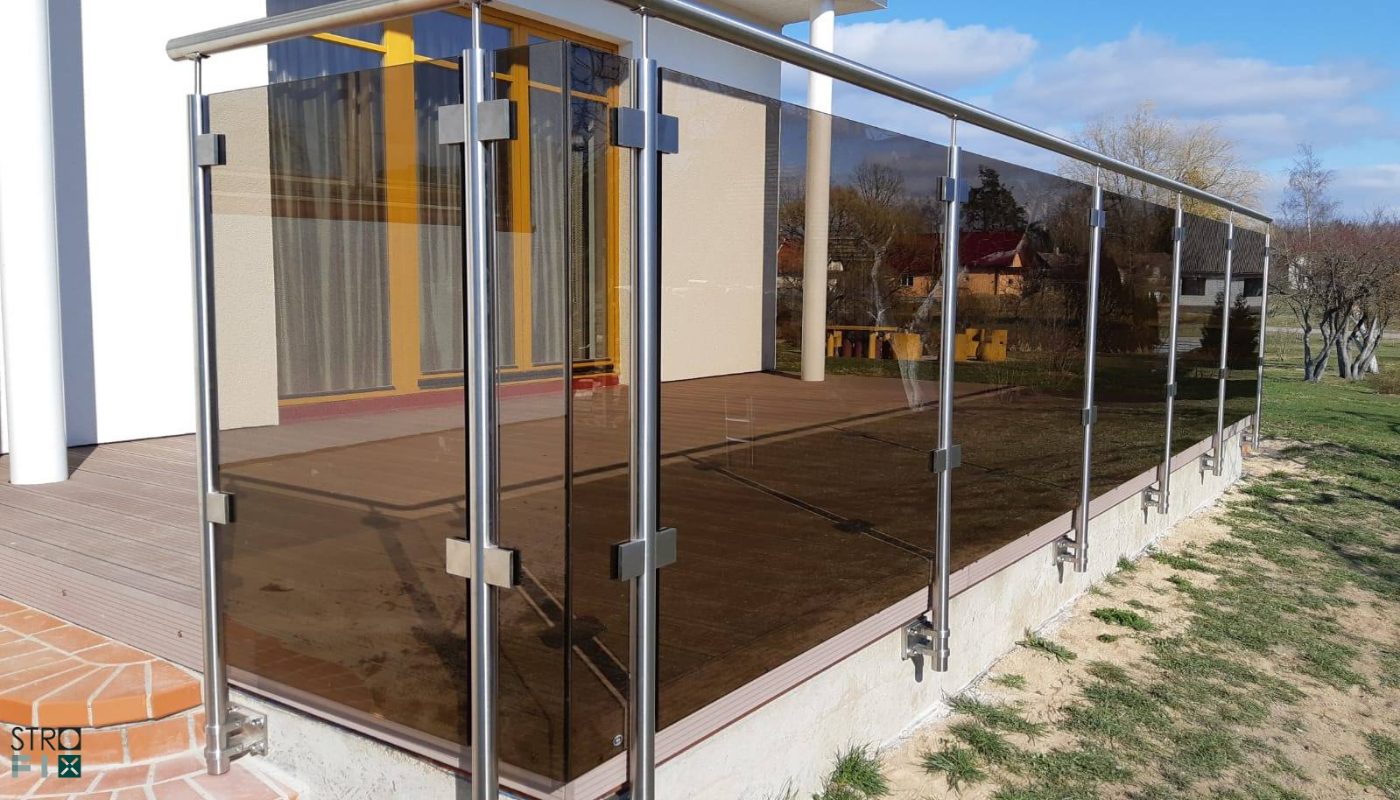
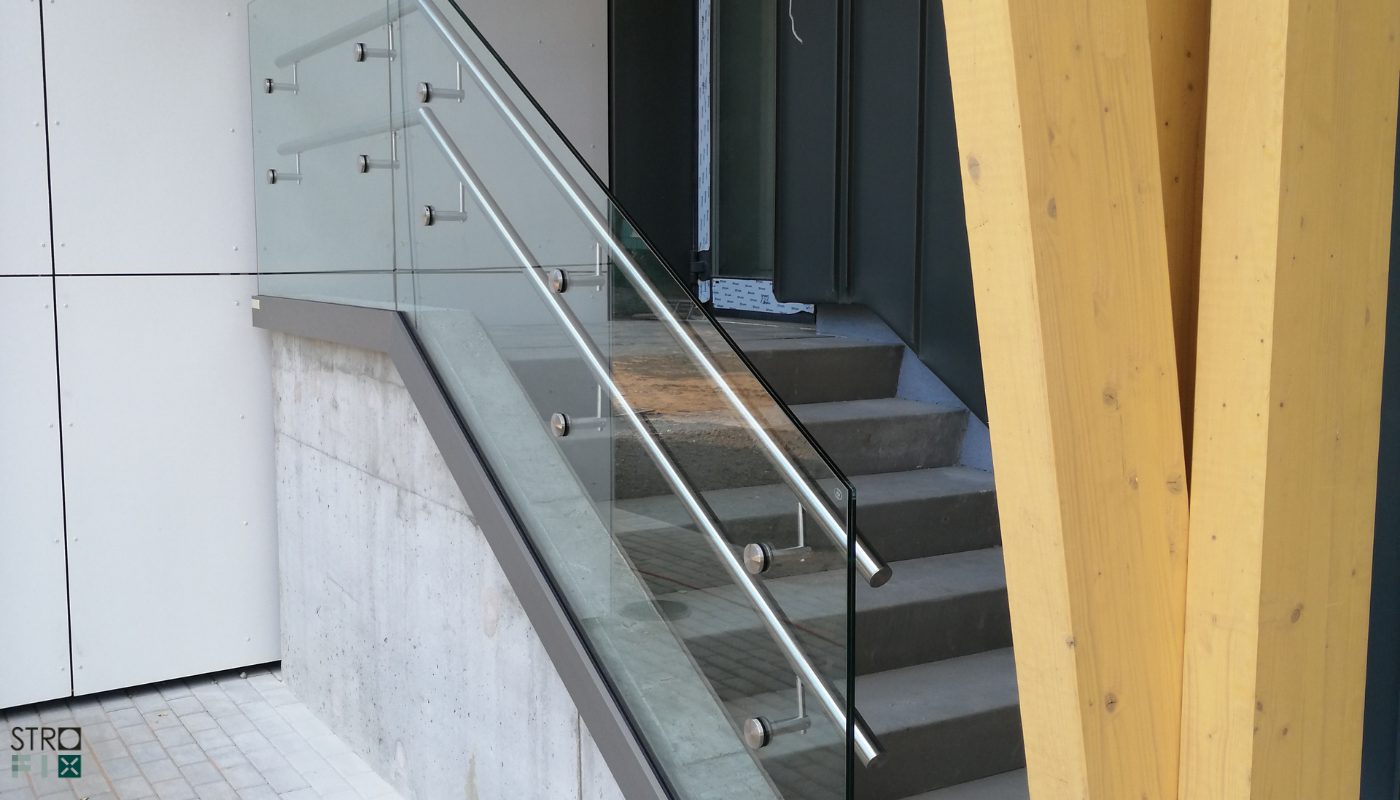
In framed railing systems, the load is supported by metal or stainless-steel posts, while the infill can be made of glass, rods, or cables.
This is a classic and versatile solution that suits both modern and traditional architectural styles.
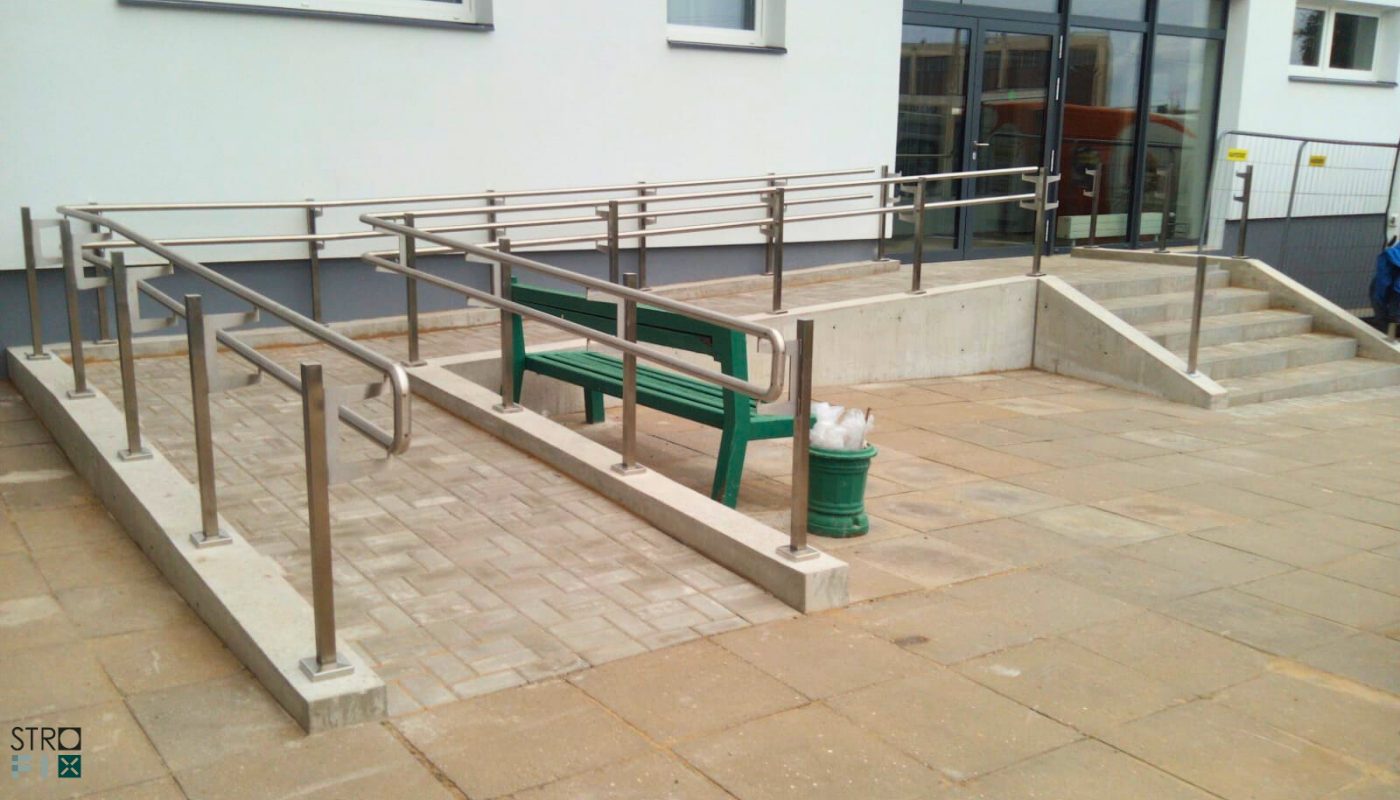
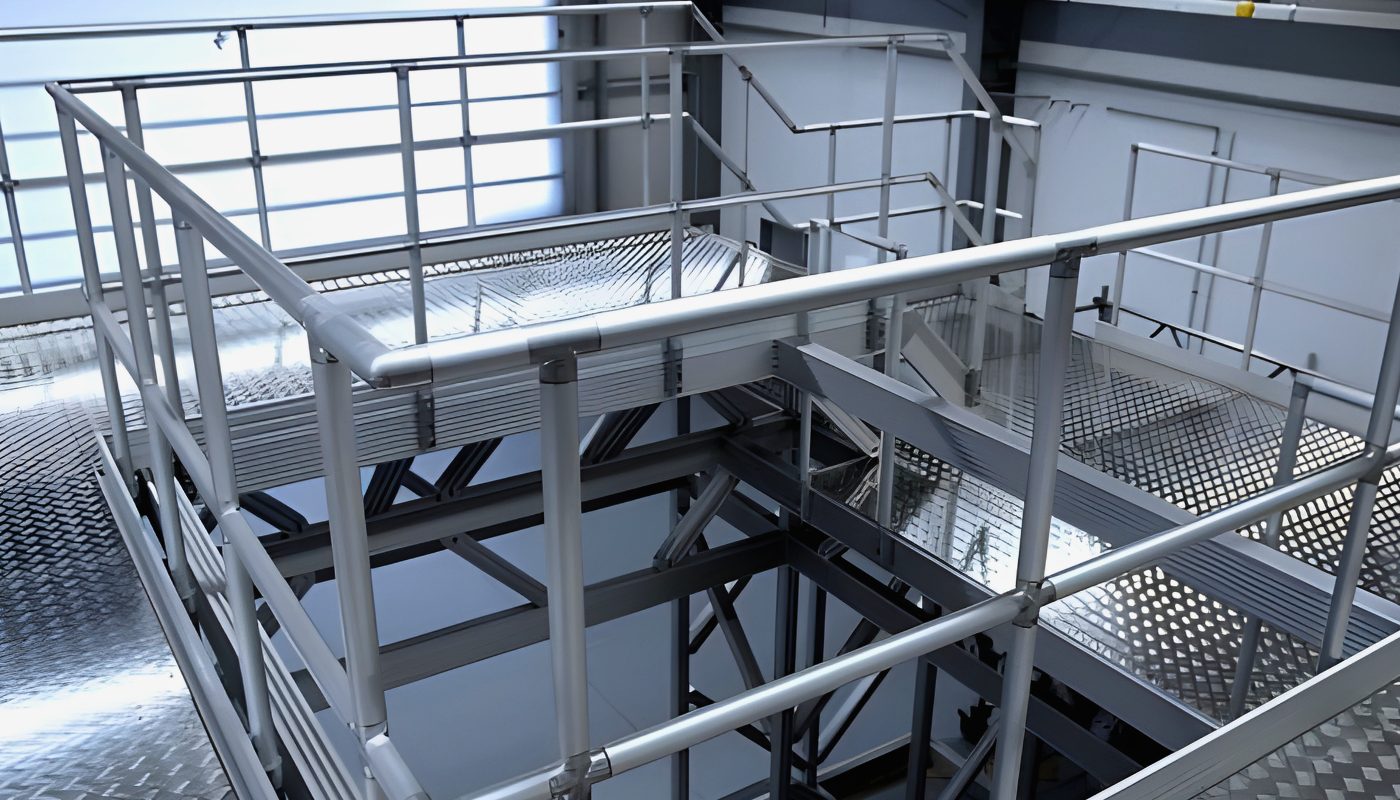
Industrial-style railings made entirely from metal tubes.
These are often used in public spaces, ramps, and industrial facilities where durability and functionality matter most.
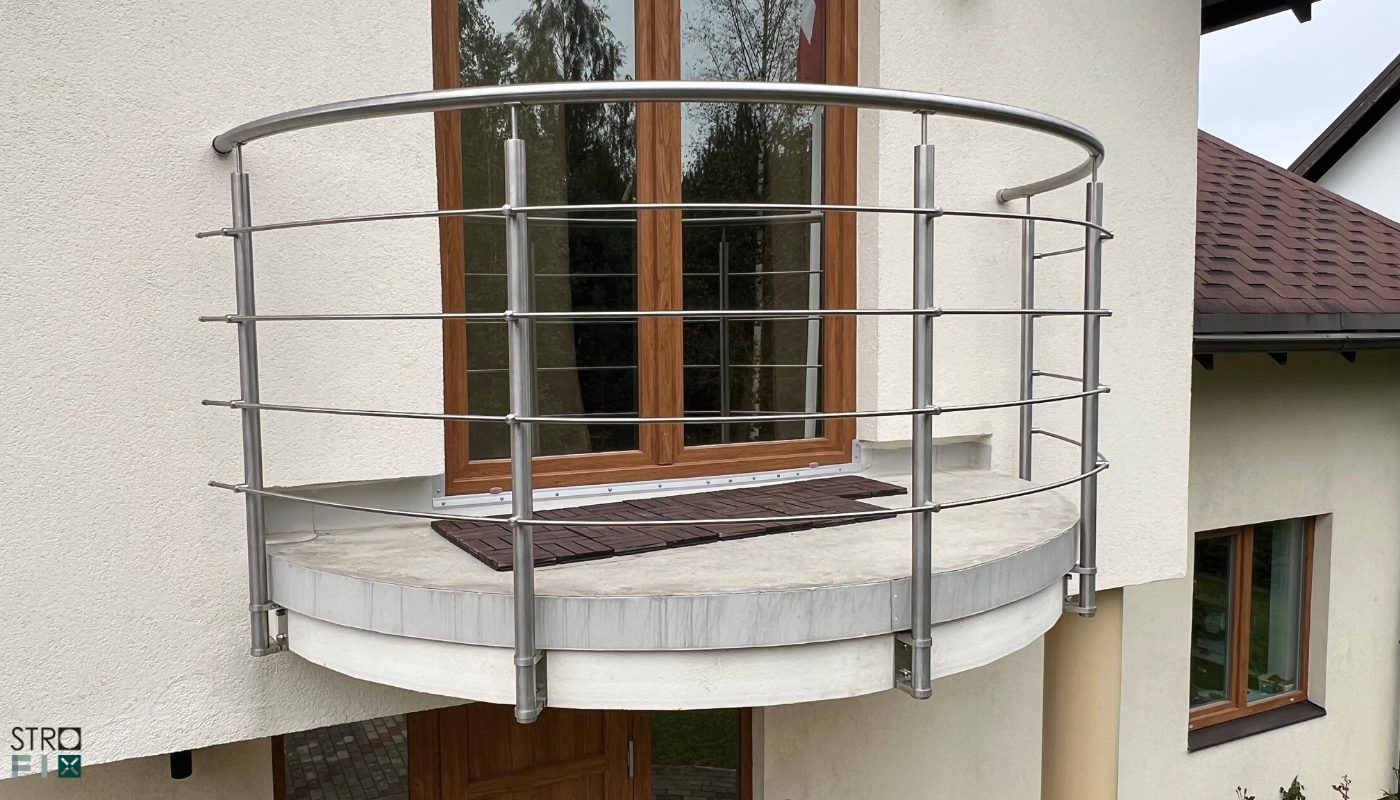
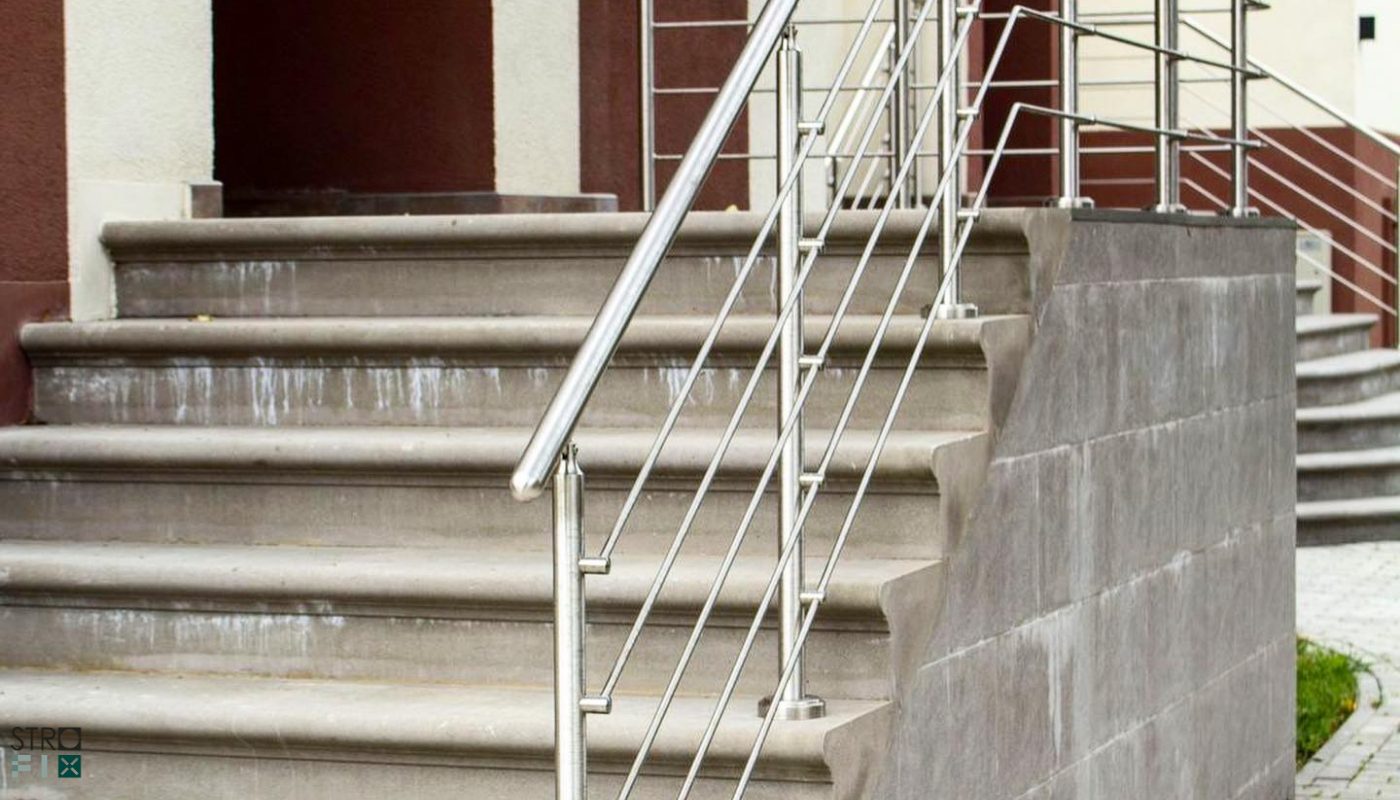
Railings with horizontal rods between the posts.
A popular and cost-effective solution for both indoor and outdoor use – especially in curved or custom-shaped installations.
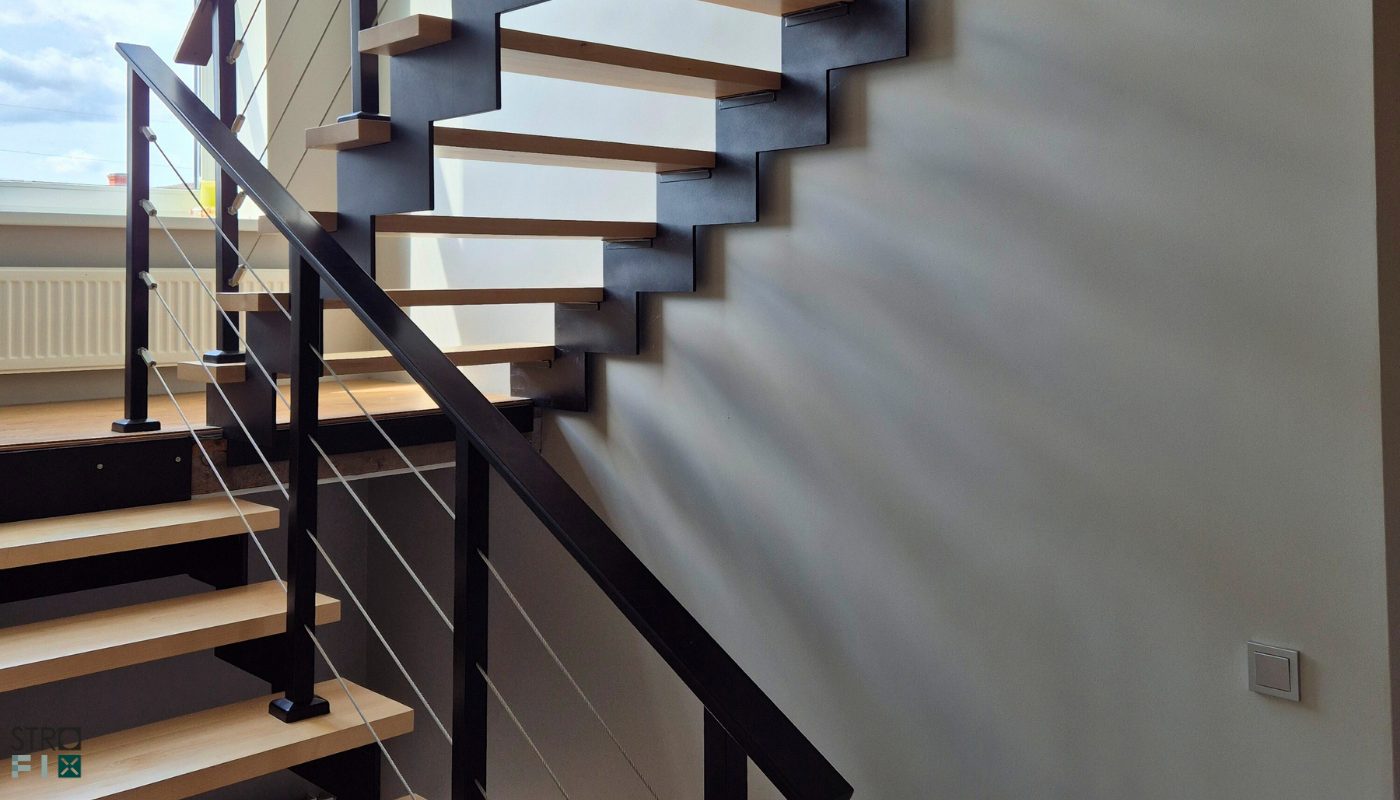
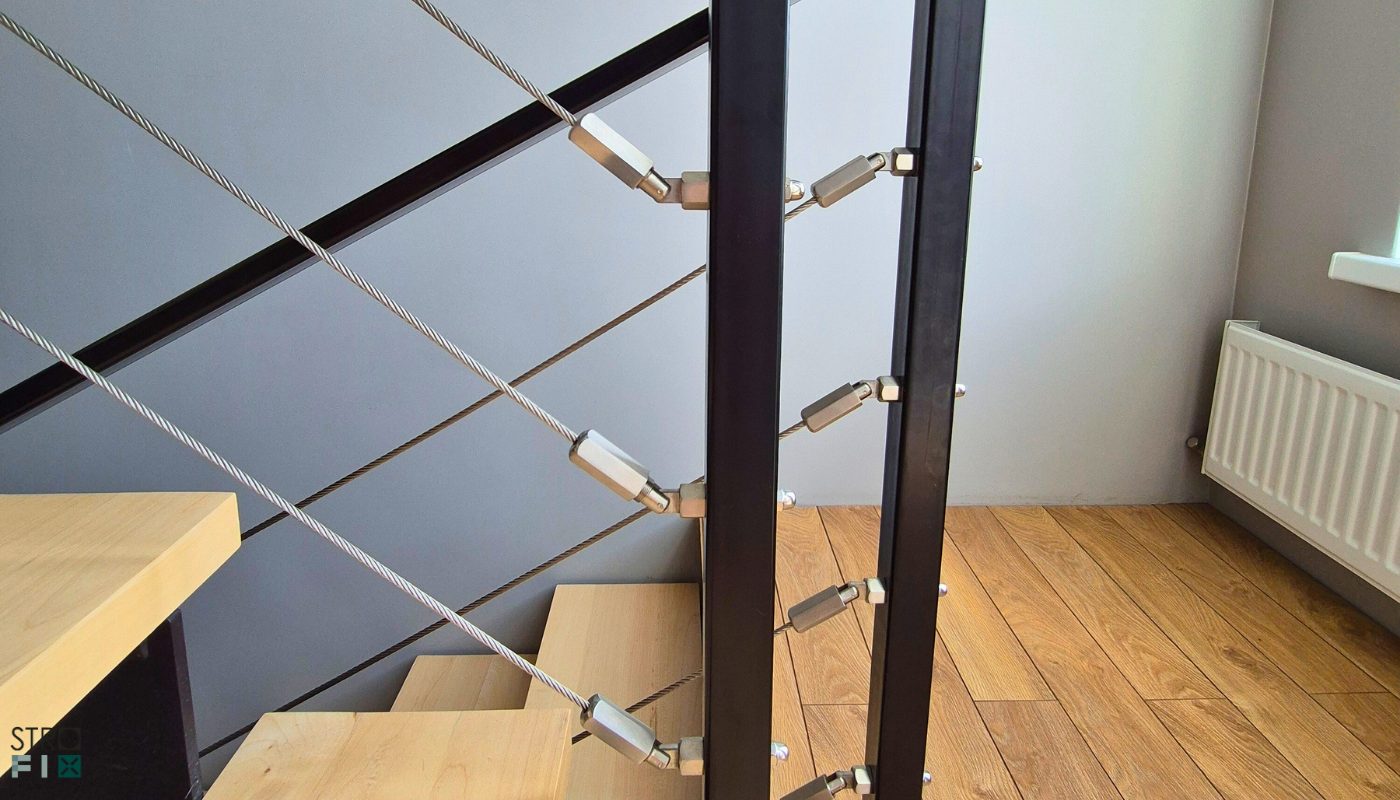
A visually light and elegant option.
Stainless-steel cables run through the posts and are tensioned at the ends, creating a clean, modern appearance.
Perfect for balconies, terraces, and stairways.
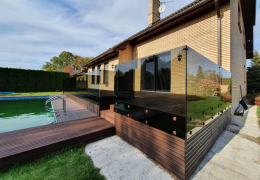
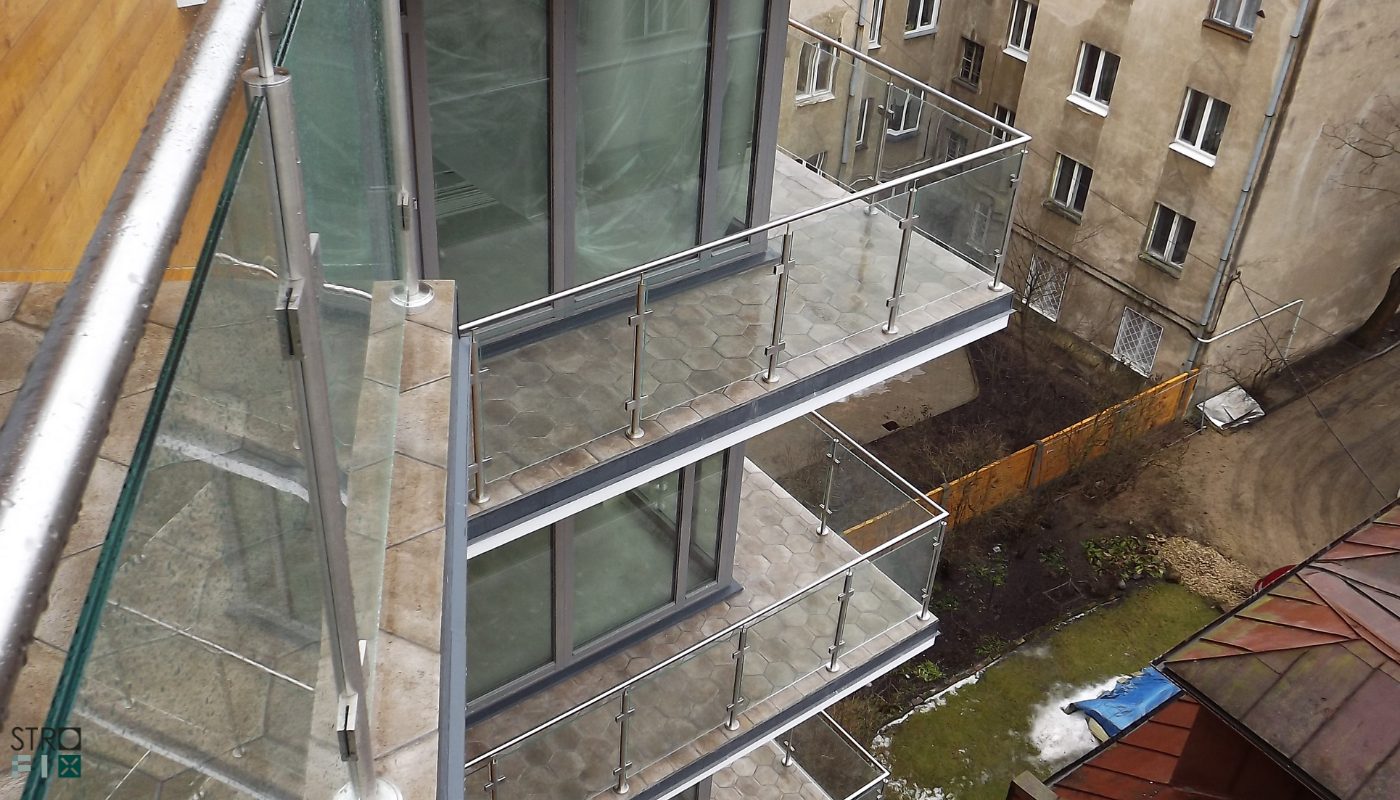
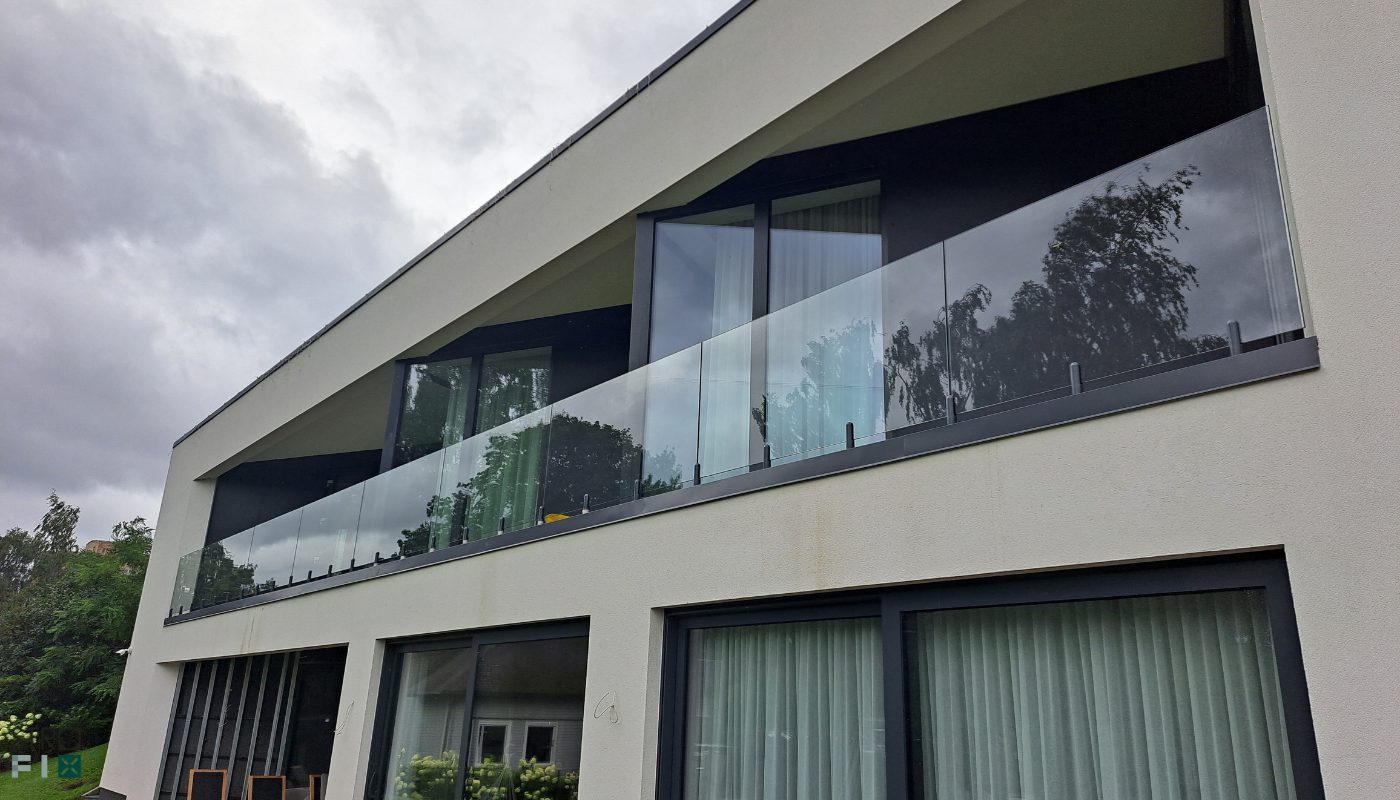
Framed railings with glass infill panels create a minimalist and transparent look that lets in more light and space.
Two main styles are available:
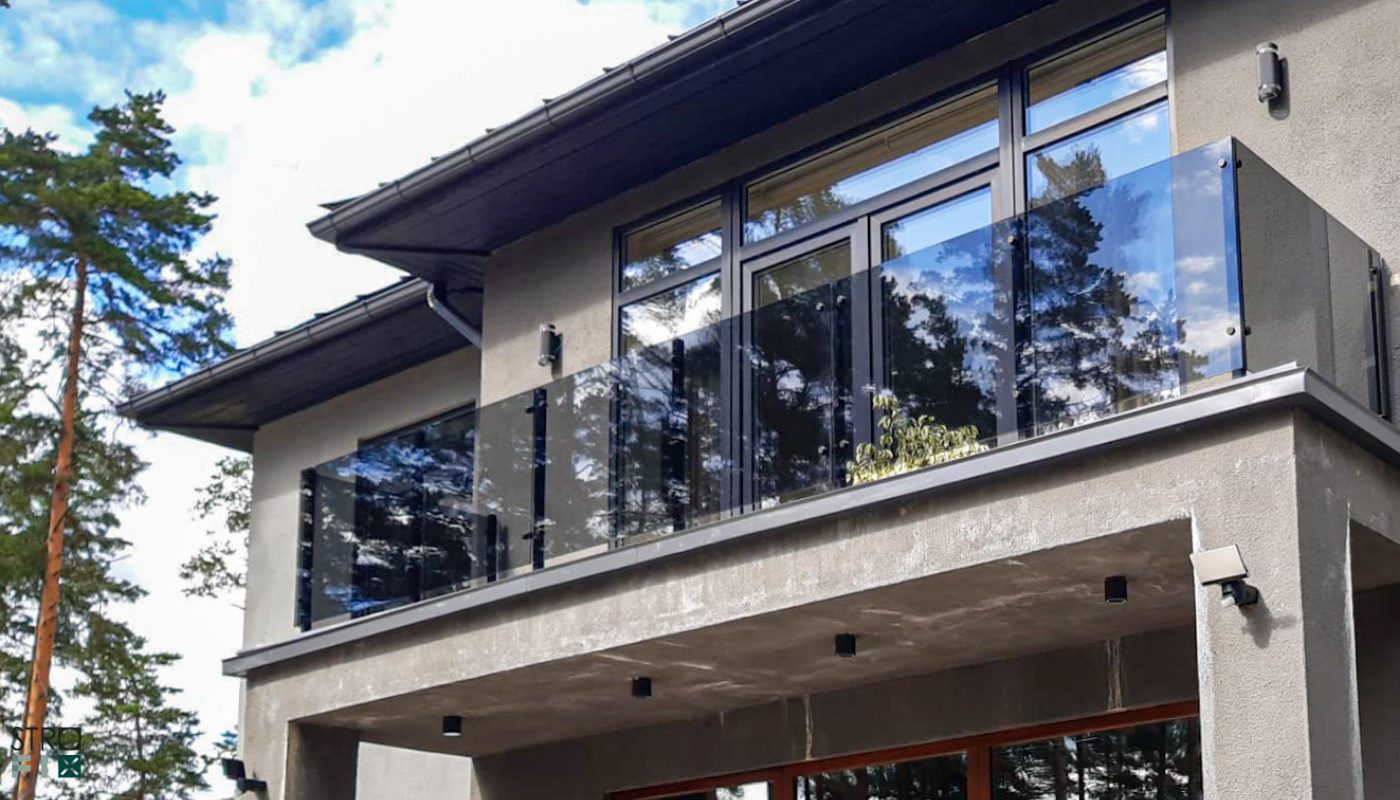
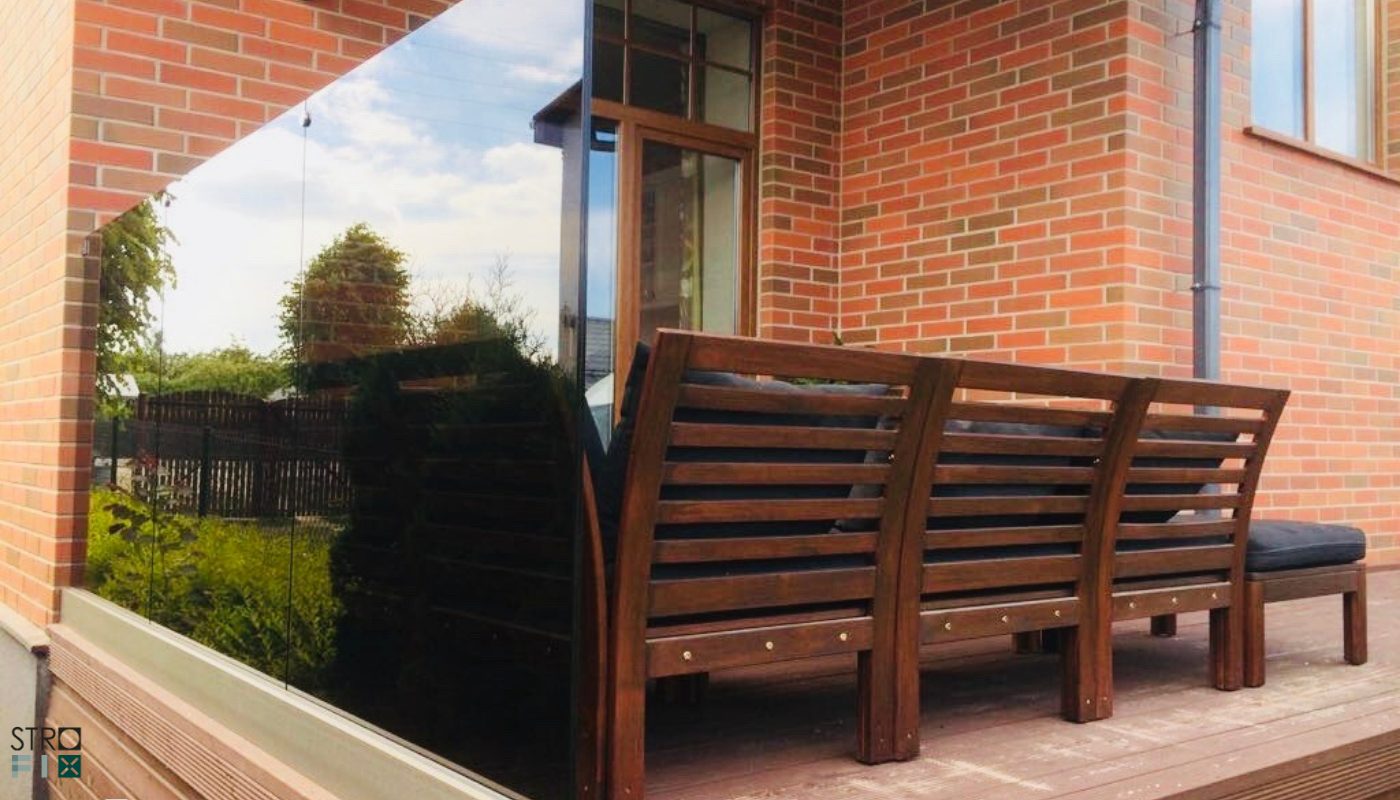
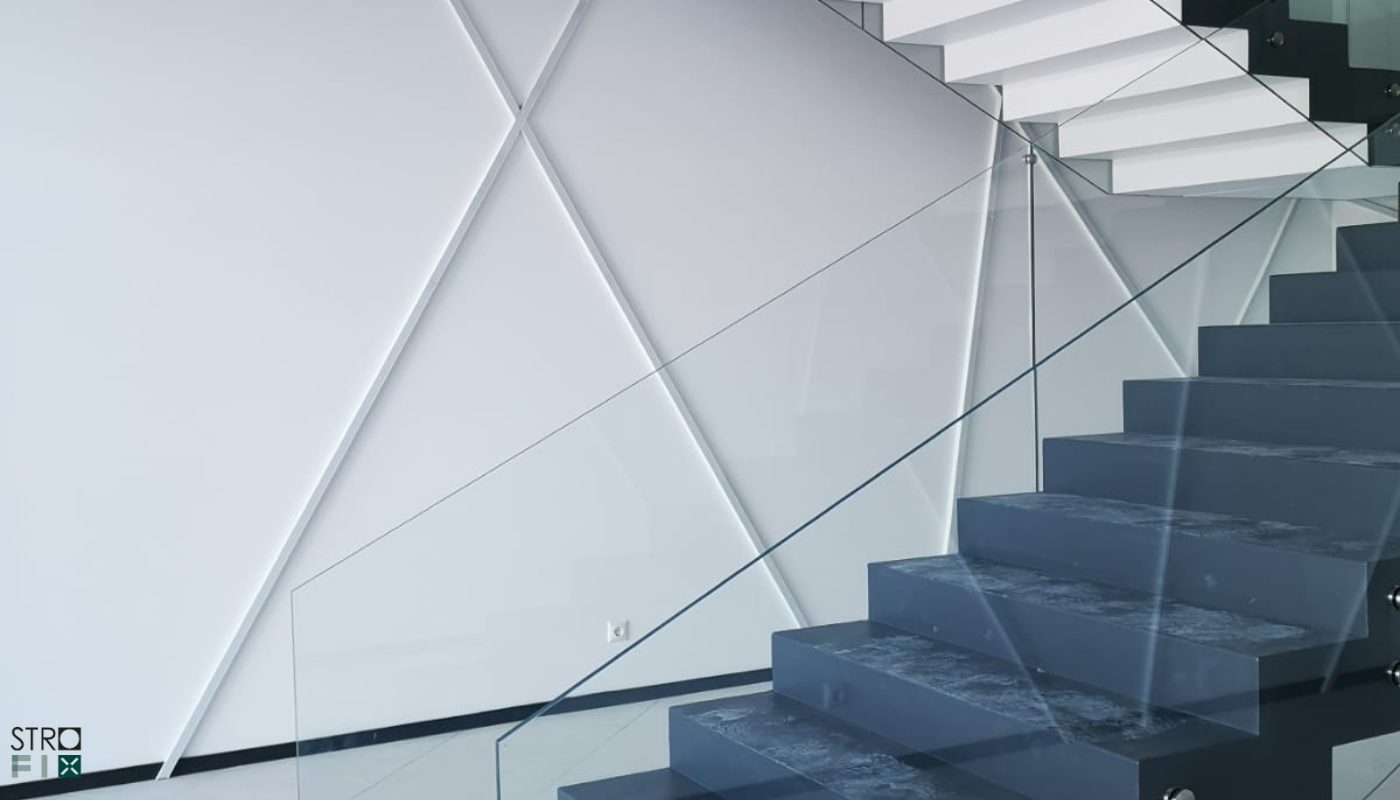
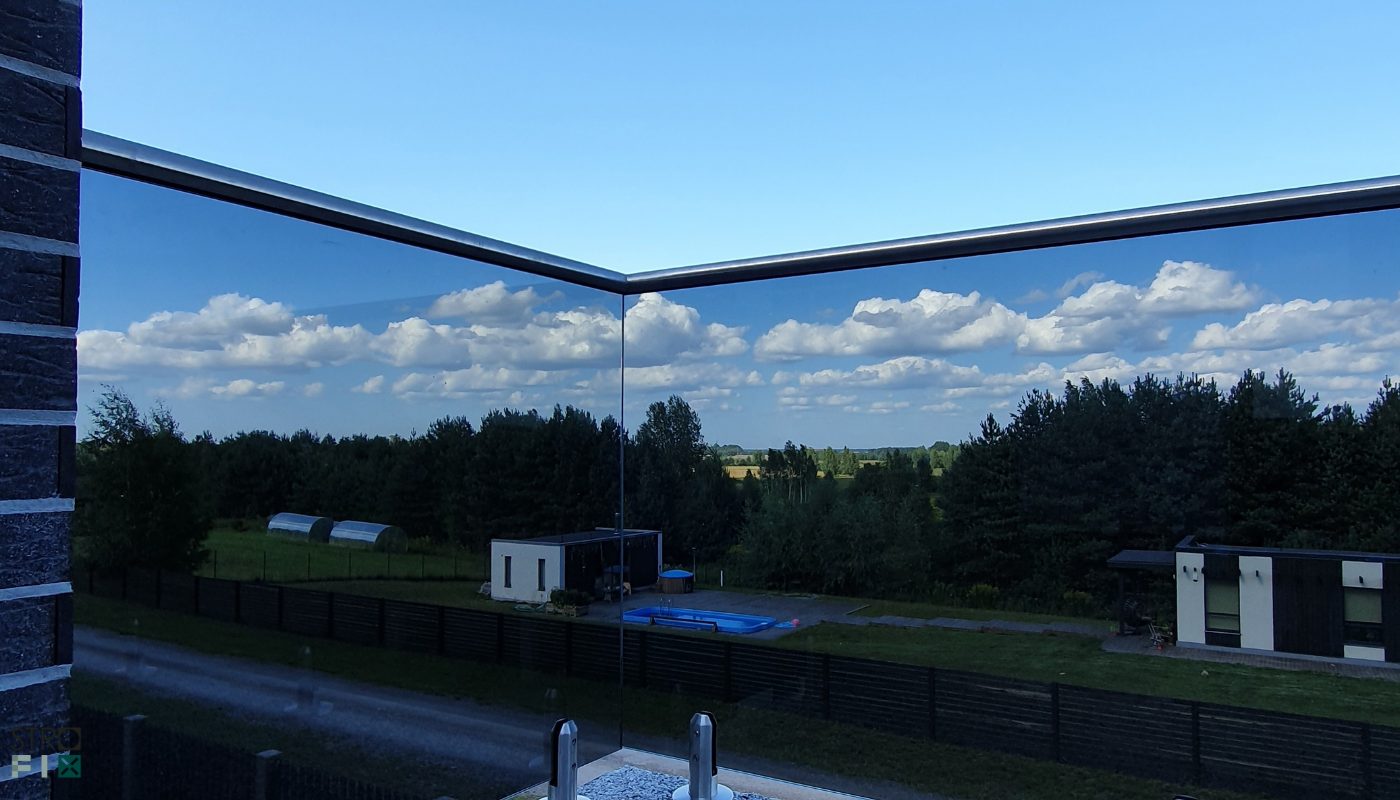
In full-glass systems, the glass itself carries the load, while metal components are used only for fixation and support.
These railings offer a seamless, high-end aesthetic and are popular in both residential and commercial architecture.
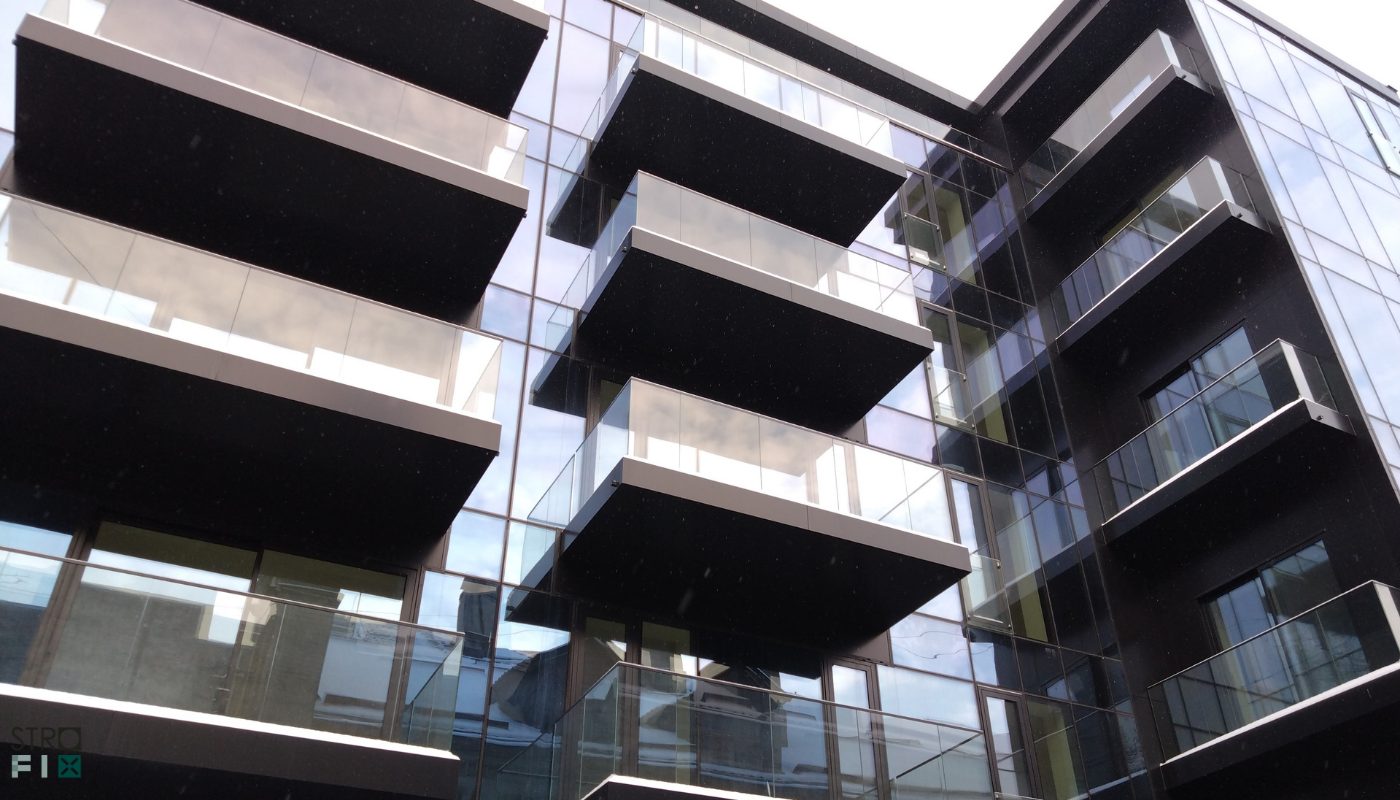
A strong and stable system where the glass is installed inside an aluminum base profile.
Optional drainage profiles can be added to help manage rainwater.
Profile installation options:
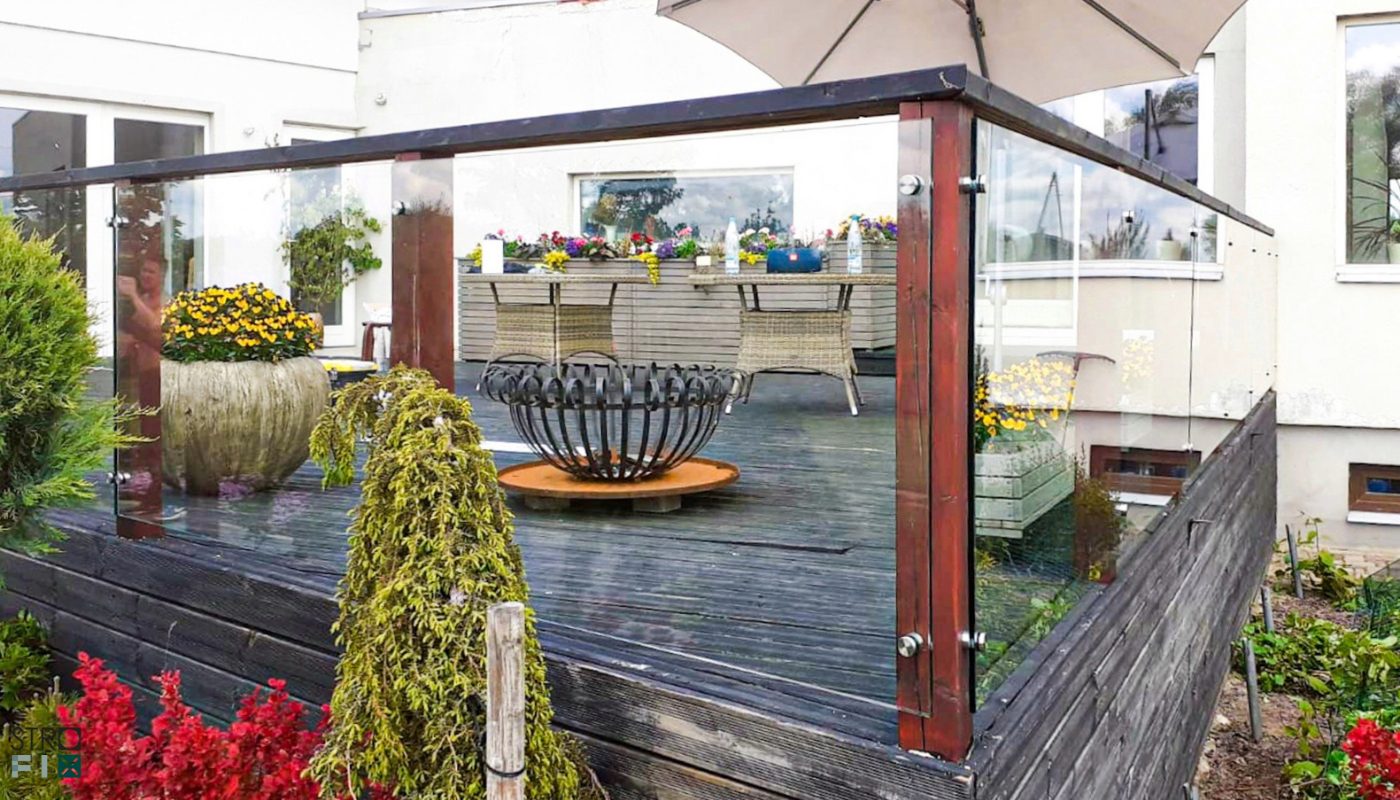
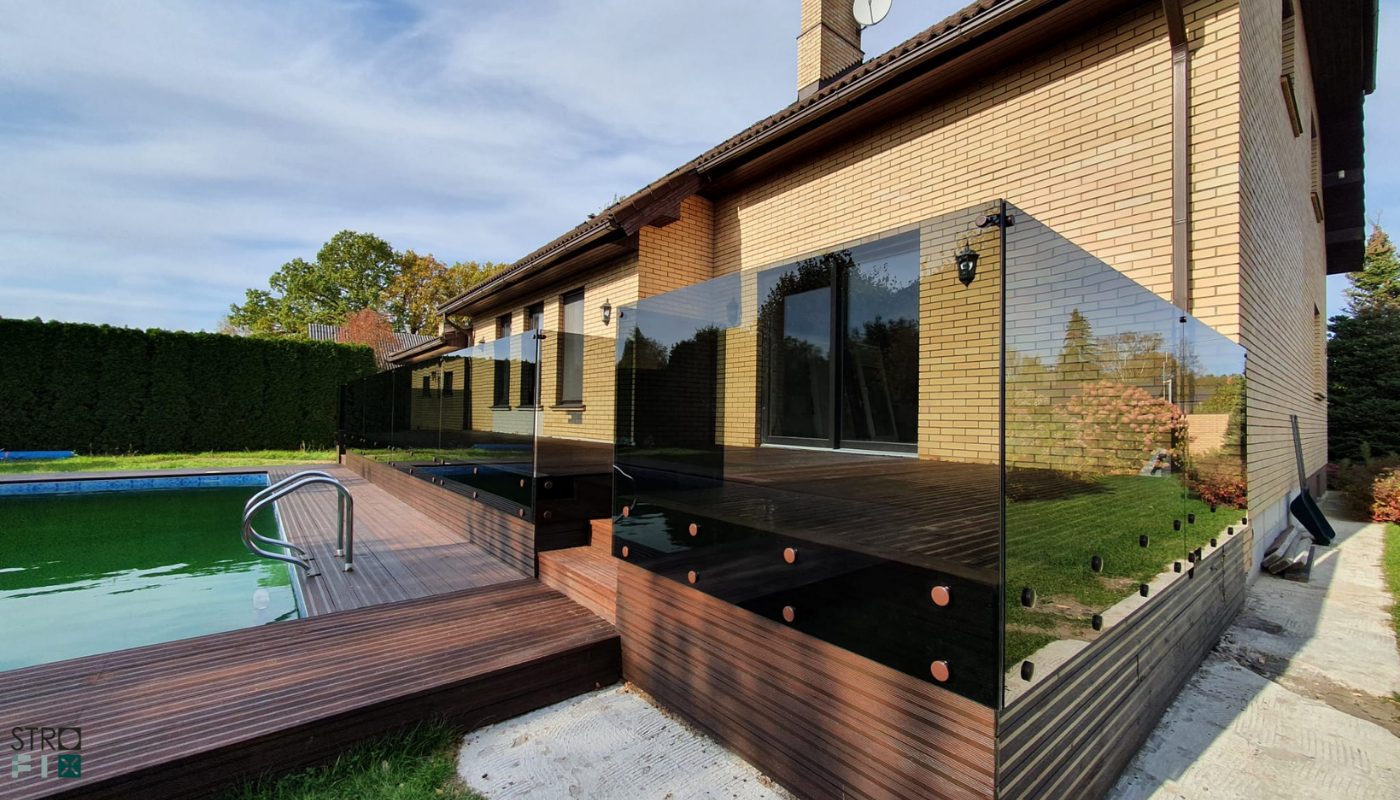
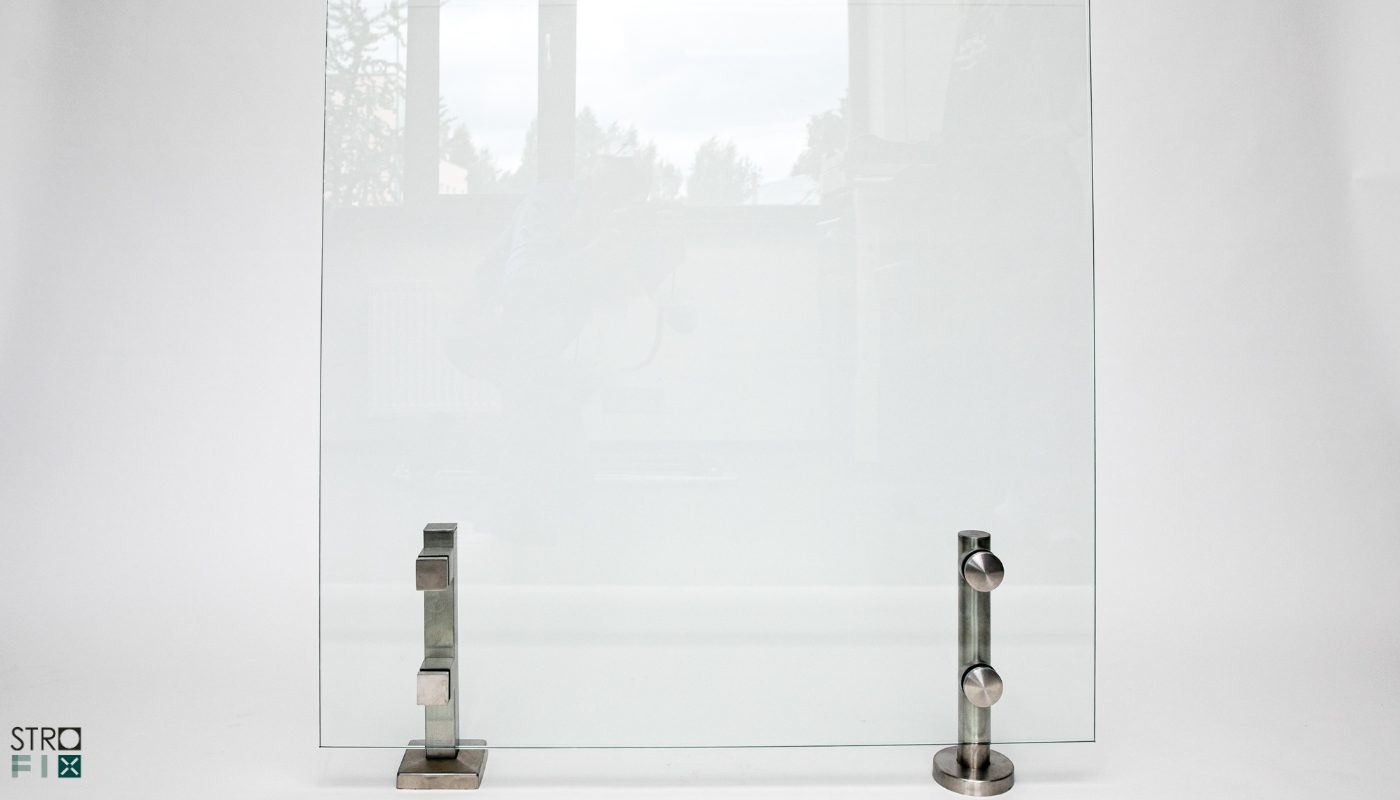
Glass panels are secured with stainless-steel point fixings, creating a “floating” and elegant appearance.
Ideal for balconies, terraces, and staircases, where transparency and lightness are desired.
In this solution, the glass is supported in two ways:
Glass clamps and point fixings are made for a specific glass thickness, and each product page states which thicknesses it fits. The catalogue covers 15 thickness values:
1.50 · 2 · 3 · 4 · 6 · 8 · 8.76 · 10 · 10.76 · 12 · 12.76 (66.2) · 13.52 · 16.76 (88.2) · 17.52 and 21.52 mm.
Note that for laminated glass the code describes the build-up, not the total thickness. 66.2 means two 6 mm panes with two interlayers, 12.76 mm in total. In the same way 88.2 is two 8 mm panes, 16.76 mm in total.
Load-bearing glass structures, railings included, use tempered glass, and full glass railings normally use laminated glass so that a broken pane stays in place.
The grade decides how long the fitting keeps looking good in its environment. The catalogue covers three grades, and the available grade is shown on each product page.
For an outdoor railing by the sea or a pool, AISI 316 is not overkill: salt and chlorine are exactly what leave pitting on the other grades over time.
The catalogue offers three surface finishes: polished, Satin and raw. The available finish is shown on each product page.
A polished surface is mirror-bright and makes itself noticed. Satin is matt and more practical day to day, because fingerprints show up far less on it.
Posts and fittings can also be painted in any RAL colour when the railing has to match existing windows, doors or sills.
| Framed railings | Full glass railings | |
|---|---|---|
| What carries the load | Metal or stainless steel posts | The glass itself |
| Infill | Glass, rods or cables | Glass only |
| Visual effect | Visible frame, more classic | Almost invisible structure |
| Demands on the glass | Lower, the glass is not load-bearing | Higher: tempered and usually laminated |
| Where it fits | Stairs, ramps, industrial settings | Terraces, balconies, a view worth keeping |
Load-bearing railings use tempered glass, and full glass railings normally use laminated glass so that a broken pane stays in place. The catalogue covers 15 thickness values from 1.50 to 21.52 mm, and each fitting states which ones it suits.
Choose AISI 316 for outdoor use. It is the only one of the three grades in the catalogue intended for humid and coastal environments with salt air. AISI 201 is for dry indoor use, AISI 304 for general use.
Yes. Posts and fittings can be painted in any RAL colour when the railing has to match existing windows, doors or sills. Without paint, three surface finishes are available: polished, Satin and raw.
In a framed railing the posts carry the load and the glass is only infill. In a full glass railing the glass itself carries the load, so the demands on the glass are higher, but the structure stays almost invisible.
Last updated: 2026-08-17 · Juris Rubenis, Strofix
Your choice depends on location, environment, and design preferences:
· Outdoor use – choose stainless steel or aluminum for maximum durability
· Indoor use – consider black steel or wood combinations for warmth and style
· Modern architecture – full glass railings deliver a sleek, premium look
· Industrial or public spaces – framed tube or rod railings are the most practical
Railings are not just a safety requirement – they’re a statement piece of modern architecture, combining form, function, and design.
At Strofix, we design and manufacture railing systems that meet the highest standards of quality, aesthetics, and durability.
check_circle
check_circle